
Newspaper icon
The latest issue of Financial Standard now available as an e-newspaper
READ NOW

Investment

Calm urged as global markets look 'increasingly unstable'

Global markets have endured a rollercoaster ride as the conflict in the Middle East rages on, stoked by strong rhetoric from US President Donald Trump.

Over the course of the long weekend Trump took to Truth Social to issue a fresh ultimatum to the Iranian government, threatening to wipe out the nation's energy infrastructure and bridges.

"Tuesday will be Power Plant Day, and Bridge Day, all wrapped into one, in Iran. There will be nothing like it!!! Open the F***** Strait, you crazy bastards, or you'll be in living Hell - JUST WATCH! Praise be to Allah," Trump wrote.

The threats have experts questioning whether markets can rely on the TACO principle - the concept that "Trump Always Chickens Out".

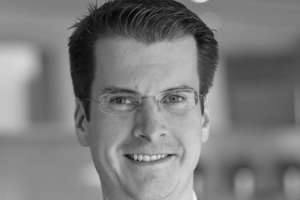
deVere group chief executive Nigel Green said the fixation on whether "TACO" materialises misses the broader danger building beneath the surface.

"Traders are debating whether there will be a tactical pause or escalation, but positioning around that binary outcome is creating instability," he said.

"Either scenario carries risk, and both can trigger aggressive repricing. The right question is not whether there's a last-minute climbdown. It should be: what happens to markets if the risk of disruption to the Strait of Hormuz is now permanently higher?"

Roughly a fifth of global oil supply passes through the Strait of Hormuz, making it one of the most sensitive pressure points in the global economy.

VanEck Asia Pacific chief executive Arian Neiron said investors are becoming increasingly concerned about the broader effects of the conflict on the global economy.

"Global markets are beginning to look more like a game of Jenga, with the tower increasingly unstable as more supports are removed rather than reinforced. The era of low inflation, strong growth and abundant conviction is behind us, at least for now," Neiron said.

"What is emerging instead is a far less comfortable regime, where inflation remains sticky, growth is uneven. Stagflation appears as the base case, a Goldilocks scenario of low inflation and high growth is not on the cards, with the best case being an awkward middle in which growth is uneven and conviction is low.

Neiron said the longer the Iran conflict drags on, the greater the risk that central banks are forced to react negative supply shocks with "few good options available".

"No central bank wants to relive the stagflation of the 1970s, yet that risk is becoming harder to dismiss. At the same time, the US faces a growing fiscal burden, with debt servicing becoming materially more expensive as older debt is refinanced at higher rates," he said.

"That leaves developed markets looking increasingly vulnerable to a prolonged period of weaker growth, persistent inflation and rising funding pressure."

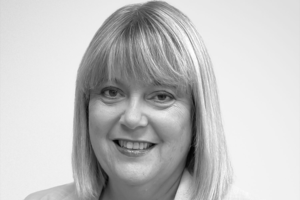
Meanwhile, HESTA chief executive Debby Blakey has urged its members to stay focused on their long-term retirement goals as global markets reel from the ongoing volatility.

Following the start of the Iran conflict, the super fund said it has seen a rise in average daily investment switching activity, while the number of visits to HESTA's investment pages have also risen sharply.

HESTA said switching activity peaked on March 9 when oil prices jumped through US$110 per barrel and the ASX200 fell 2.8% in its worst day since US trade tariffs were announced in April 2025.

Daily switching numbers have since eased, the super fund said but remain above typical levels. Members who switched investments options predominantly moved their retirement savings into very defensive options, such as Cash and Term Deposits.

Blakey said it was natural to feel concerned during periods of market uncertainty, however making snap decisions based on short-term market fluctuations could harm retirement outcomes in the long run.

"We understand news of the conflict in Iran and the impact on global markets can feel unsettling, but history shows staying invested through market ups and downs typically delivers stronger long-term returns for our members," Blakey said.

"Super is a long-term investment. While it's important to stay informed, knee-jerk reactions to short-term market movements can crystallise losses and risk missing out on a market bounce back. This could potentially cost tens of thousands of dollars at retirement."

Blakey added the super fund began the year with a cautious outlook, saying it has a well-diversified portfolio was built for resilience during periods of market volatility.

"We actively manage members' savings, and our well-diversified core portfolio is built to weather periods of significant volatility," Blakey said.

"Our highly experienced and skilled investment team is closely monitoring developments and updating scenario planning to help ensure our ongoing activities manage emerging risks and take advantage of new opportunities."

Read more: IranHESTADebby BlakeyStrait of HormuzUS President Donald TrumpArian NeironMiddle EastNigel GreenVanEck Asia Pacific