


Sovereign wealth funds ramp up direct private investmentsBY RIDDHIMA TALWANI | THURSDAY, 25 JUN 2026 12:15PMA new survey on global sovereign wealth funds (SWF) found assets under management allocated to private markets is becoming more active, with funds increasingly manage these exposures in-house than through third-party managers. Related News |



Editor's Choice
IAG settles $2.8bn lawsuit with Credit Suisse
IAG announced it has settled the lawsuit with Credit Suisse relating to the collapse of Greensill Capital.
VBP names inaugural chief growth officer
Financial planning outsourcing specialist Vital Business Partners (VBP) has created a new executive role focused on expanding advice relationships, winning new clients and strengthening its offering to advice businesses and licensees.
Former BW Equities employee charged for misappropriating funds
A former employee of the Victorian boutique advice business has been arrested and charged for allegedly trading client's shares without consent that generated close to $500,000 for himself.
Super funds risk market concentration in US: Research
While Australian equity markets have always had a concentration problem, it is now becoming more prominent in global markets too, according to Scientific Beta.
Further Reading
Products



Expert Feed

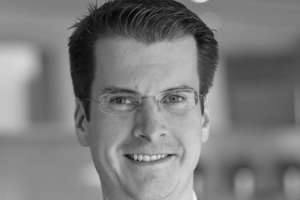
When geopolitics becomes a portfolio risk
Geopolitics is back - again - and Australian investors can no longer treat it as distant background noise.
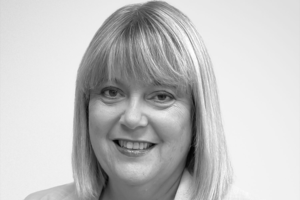
Does association membership still matter?
With all the changes the advice sector has experienced in recent years, such as regulatory reform and increased education and professional standards ...


Digital assets and where they stand in 2026
So far in 2026 digital assets have captured the headlines largely for the wrong reasons, but that doesn't tell the full story.
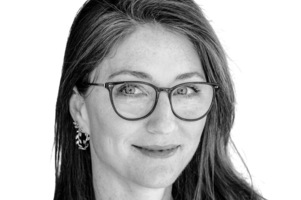
Rethinking default design in a changing market environment
The evolution underway in the US DC system highlights the value of periodically reassessing default design assumptions.
Featured Profile
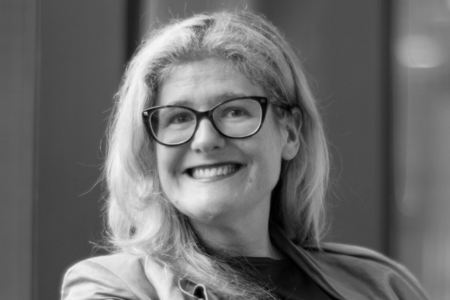
Rachel Alembakis
STEWARDSHIP MANAGER
UNITING ETHICAL INVESTORS LIMITED
UNITING ETHICAL INVESTORS LIMITED
As a highly respected journalist, Rachel Alembakis helped push sustainable investing on the agenda long before it was mainstream. Now, she's stepped into the arena to shape the industry from within. Karren Vergara writes.



The Financial Standard podcast Tune in each week as we discuss the latest developments in Australia's wealth management industry. |  |