


MySuper Bill could expose individual trustees to legal actionBY BEN COLLINS | MONDAY, 13 AUG 2012 11:50AMSuperannuation reforms could leave individual trustees open to litigation, causing a group of representative bodies to write to the Federal Government to voice their concerns. |



Editor's Choice
VanEck switches to AI-powered index
The ETF issuer is making a switch to one of its ETFs, telling Financial Standard the ETF will be Australia's first to use artificial intelligence (AI) to select international stocks, while confirming several new products will be available in the near future.
HESTA, Cbus, Mercer report super returns
HESTA, Cbus and Mercer have delivered strong returns for members over the financial year 2025-26 despite global uncertainty, attributing it to their diversification strategy.
Team Super welcomes new chief of staff
Team Super has appointed a senior executive to oversee its operations and staff, working alongside chief executive Vasyl Nair.
Global concentration risks to reorient investors: JBWere
A rising concentration risk across global and local equities is reorienting investors to income stocks and fixed income exposure, JBWere said.

Products



Expert Feed


When geopolitics becomes a portfolio risk
Geopolitics is back - again - and Australian investors can no longer treat it as distant background noise.
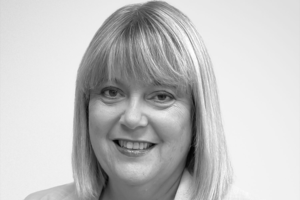
Does association membership still matter?
With all the changes the advice sector has experienced in recent years, such as regulatory reform and increased education and professional standards ...


Digital assets and where they stand in 2026
So far in 2026 digital assets have captured the headlines largely for the wrong reasons, but that doesn't tell the full story.
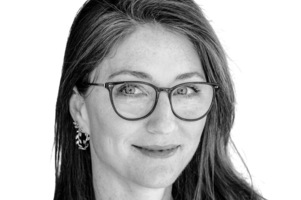
Rethinking default design in a changing market environment
The evolution underway in the US DC system highlights the value of periodically reassessing default design assumptions.
Featured Profile
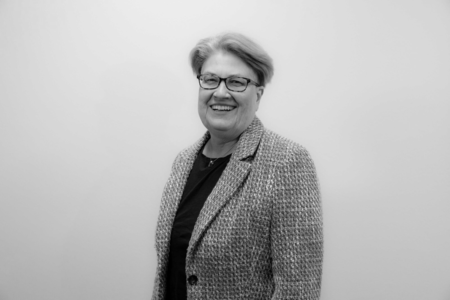
Judith Fiander
CHIEF EXECUTIVE OFFICER
AUSTRALIAN PHILANTHROPIC SERVICES
AUSTRALIAN PHILANTHROPIC SERVICES
When Judith Fiander first walked in the doors of Australian Philanthropic Services her intention was to volunteer for a few months. Fast forward 14 years and she is the chief executive. Eliza Bavin writes.













Aren't these the same people who want further regulation, legal responsibilities and liabilities placed onto SMSF Trustees? Yet when faced with having responsibilities of their own - they want to run a mile. If they want to be in charge of the superannuation funds of their members, isn't this responsibility only fair. That is why a lot of people decide to have there own SMSF because they are prepared and want to be responsible for their investment decisions rather than have faceless trustees who are prepared to take risks with someone else's money - and not be responsible for the risks that they take. Perhaps the unintended consequences of this legislation were not so unintended.
In order to maintain an action in breach of trust in the context of failing to retain the value of trust assets, the beneficiaries must prove that the trustees made decisions regarding investments which would not have been made by an ordinary, prudent business person, and that a quantifiable loss to the trust estate has resulted. (See Nestle v National Westminster Bank Plc [1994] 1 All ER 118). I contend that trustees generally do make investment decisions in an acceptable way, but that if a trustee does breach trust in such a manner, that they should be held accountable.
Secondly, it is a principle of good corporate governance that directors are legally and personally accountable for their decisions where negligent or intentionally malicious.
I agree that the changes do increase the risk of litigation, and that might well be a good thing for both beneficiaries and trustees alike. It should keep trustees active and engaged in ensuring the interests of beneficiaries. MySuper is aimed at protecting the rights of those members most reliant on trustees, so it's fitting that they should have a strict level of accountability.
We are not arguing that trustees should not be accountable, and we support the highest standards being applied to trustee directors, we just want some amendments to the wording - a very normal process when dealing with legislation.