

Global concentration risks to reorient investors: JBWereBY RIDDHIMA TALWANI | MONDAY, 6 JUL 2026 12:31PMA rising concentration risk across global and local equities is reorienting investors to income stocks and fixed income exposure, JBWere said. Related News |



Editor's Choice
Magellan shuts down Vinva Global Equity Fund
Magellan Asset Management is shuttering the Vinva Global Equity Fund, an active systematic strategy, two years after it was brought to market.
Hamilton Wealth mandates arcpoint OCIO
Hamilton Wealth Partners has appointed arcpoint OCIO as its outsourced chief investment office as the specialist family wealth advisory firm seeks to strengthen its investment governance and support the needs of its growing client base.
Netwealth faces potential class action over First Guardian failure
Netwealth Group has received letters of potential class action, alleging it breached duties while offering and monitoring certain First Guardian investment options available through the Netwealth Superannuation Master Fund.
ASX reshapes executive leadership team
ASX has announced changes to its executive leadership team as the exchange progresses a broader transformation and renewal program under new managing director and chief executive officer Anthony Attia.
Further Reading
Products



Expert Feed


When geopolitics becomes a portfolio risk
Geopolitics is back - again - and Australian investors can no longer treat it as distant background noise.
Does association membership still matter?
With all the changes the advice sector has experienced in recent years, such as regulatory reform and increased education and professional standards ...


Digital assets and where they stand in 2026
So far in 2026 digital assets have captured the headlines largely for the wrong reasons, but that doesn't tell the full story.
Rethinking default design in a changing market environment
The evolution underway in the US DC system highlights the value of periodically reassessing default design assumptions.
Featured Profile
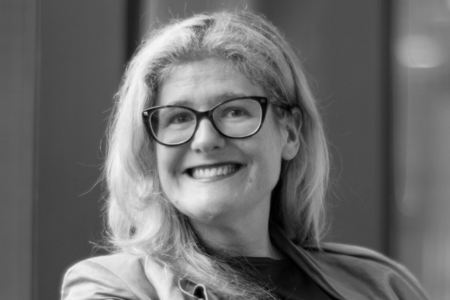
Rachel Alembakis
STEWARDSHIP MANAGER
UNITING ETHICAL INVESTORS LIMITED
UNITING ETHICAL INVESTORS LIMITED
As a highly respected journalist, Rachel Alembakis helped push sustainable investing on the agenda long before it was mainstream. Now, she's stepped into the arena to shape the industry from within. Karren Vergara writes.



The Financial Standard podcast Tune in each week as we discuss the latest developments in Australia's wealth management industry. |  |