


Expected retirement age slowly going upBY ALEX DUNNIN | TUESDAY, 10 DEC 2013 12:35PMDespite the policy push for increasing the retirement age, most Australians are still retiring in their early fifties even though more future retirees expect to have to keep working beyond age 70. Related News |



Editor's Choice
ASX to rejig corporate governance framework
|The ASX is looking to modernise eight core corporate governance principles, which include rejigging executive remuneration and board composition, to make them fit-for-purpose in the current environment in which ASX-listed entities operate in.
Rest calls for better alignment in default options
|Rest conducted a survey addressing concerns around the ambiguity of standardised investment options and product labels.
KPMG finds new chief executive
|The embattled consulting firm has named a new chief executive, choosing to promote from within after former chief executive Andrew Yates stepped down in June in the wake of the whistleblower scandal.
HSBC appoints structured finance chief
|HSBC Australia and New Zealand have appointed a former Deutsche Bank executive as head of structured finance.
Videos
Brought to you by ![]()

Further Reading
Products



Expert Feed


When geopolitics becomes a portfolio risk
Geopolitics is back - again - and Australian investors can no longer treat it as distant background noise.
Does association membership still matter?
With all the changes the advice sector has experienced in recent years, such as regulatory reform and increased education and professional standards ...


Digital assets and where they stand in 2026
So far in 2026 digital assets have captured the headlines largely for the wrong reasons, but that doesn't tell the full story.

Rethinking default design in a changing market environment
The evolution underway in the US DC system highlights the value of periodically reassessing default design assumptions.
Featured Profile
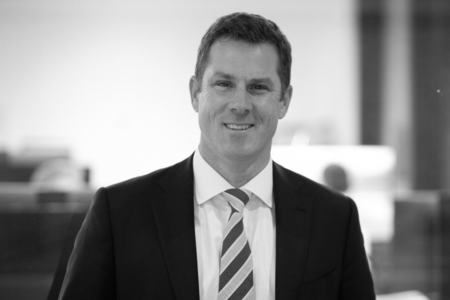
Blake Briggs
CHIEF EXECUTIVE OFFICER
FINANCIAL SERVICES COUNCIL
FINANCIAL SERVICES COUNCIL
Since becoming chief executive, Blake Briggs has renewed the Financial Services Council's influence, expanded the membership base, and strengthened its policy and advocacy credentials. Karren Vergara writes.






The Financial Standard podcast Tune in each week as we discuss the latest developments in Australia's wealth management industry. |  |








This is an overly simplistic interpretation of the ABS data that doesn't account for the ABS's on note on how the average age of retirement is not representative. The population is skewed because those who retire early are more likely to be alive still and therefore participate in the survey.
To counter this skew, the ABS produce a series of other averages based on those who have retired recently, such as 'retired in the last 5 years'. The average age there is 61.5 years.
This is similar to what the OECD reports on retirement age. That uses net withdrawals from the labour market based on labour force participation rates. While by no means perfect, it isn't skewed by survey responses like those in the Multipurpose Household Survey (MPHS). And such retirement rates can easily be replicated using Census data.
If personal longevity awareness was more widespread people might make more informed decisions about retirement. Longevity awareness includes how long a person might live and why that may be different from average, what's happening in the community to reflect longer life expectancies, the longer term prospects of government support, longer term caring, dependency and end of life issues. Longevity awareness training is becoming as important as financial literacy, especially for people over age fifty.