


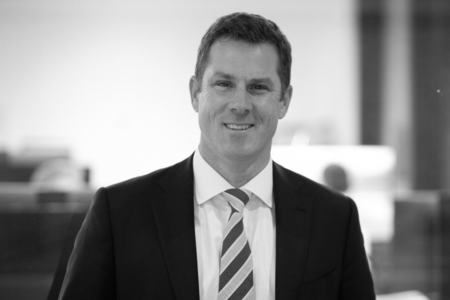
Investors back active managementBY VINNY VUCAGO | WEDNESDAY, 1 JUL 2026 11:55AMAustralian investors are increasingly turning to active management and broader portfolio diversification as geopolitical uncertainty and market volatility reshape investment strategies according to new research from Schroders. The Schroders Global Investor Insights Survey 2026, which surveyed 1025 institutional investors representing US$72 trillion in assets across 24 markets, found 91% of Australian investors believe active management can help achieve their investment objectives, up from 74% globally a year earlier. Almost 90% of Australian investors expect markets to become more volatile over the next 12 months, while nearly two-thirds plan to use market dislocations as buying opportunities. "In today's market of high volatility, that investor expectation has only strengthened. Outcomes are less about static allocation and more about how effectively portfolios can adapt; drawing on active management, broader diversification and deliberate risk management to deliver more consistent results," chief executive of Schroders Australia, Alison Telfer says. The survey found diversification (80.6%) and downside protection (74.6%) are now the highest portfolio priorities for Australian investors, alongside capital growth (61.2%) and income generation (53.7%). More than half (50.7%) are increasing geographic diversifications beyond the US, while 37.3% are allocating more capital to private markets, real assets and liquid alternatives as investors seek broader sources of return and income. Geopolitical tensions remain the dominant concern, with 76.1% of Australian respondents citing uncertainty around US foreign policy among their top risks, while 70.1% pointed to conflict in the Middle East. Economic slowdown and artificial intelligence driven disruptions also ranked among investors leading concerns. Schroders Australia head of multi assets and fixed income Sebastian Mullins said diversification was becoming more sophisticated. "Diversification today needs to be thought about at the total portfolio level, not just within individual asset classes," Mullins said. "The objective is to build a portfolio where different components behave differently when it matters most - particularly when traditional correlations begin to break down." The report also found 35.8% of Australian investors are rotating from passive to active investment strategies, reflecting growing concerns over concentration risk in equity markets and a desire for greater flexibility in portfolio construction. Related News |


Editor's Choice
Treasury responds to Debelle's review into the AOFM
Bravura ups guidance, reports earnings increase
MaxCap hires from Vanguard, AustralianSuper
Zenith snags mandate from Granite Bay

Products



Expert Feed


When geopolitics becomes a portfolio risk

Does association membership still matter?


Digital assets and where they stand in 2026

Rethinking default design in a changing market environment
Featured Profile
Blake Briggs
FINANCIAL SERVICES COUNCIL