

Invisible string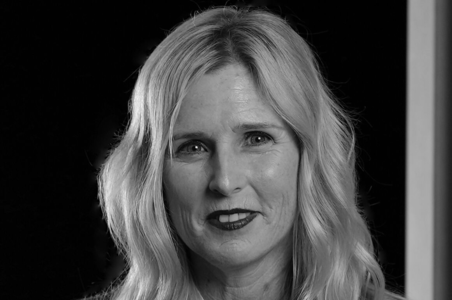 Simone Constant has been a commissioner at the Australian Securities and Investments Commission (ASIC) for two years. In that time she has achieved a great deal, but she's also just getting started. Eliza Bavin writes.
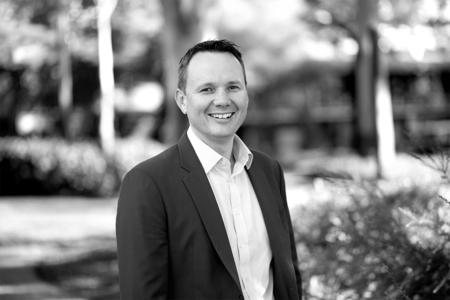 Both sides of the coinA family man, business owner, cricket fanatic and financial adviser, David Sharpe has many facets. One of his biggest legacies, as he steps down as chair ... 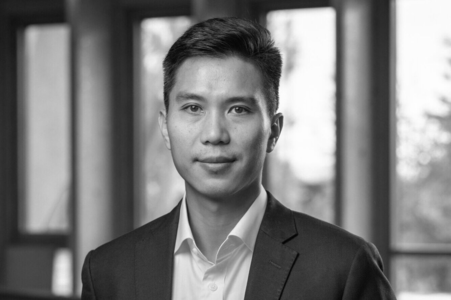 Fold by foldETF Shares chief executive Cliff Man spent his career automating, building and challenging established systems. Now, he is betting that Australia's ETF ... 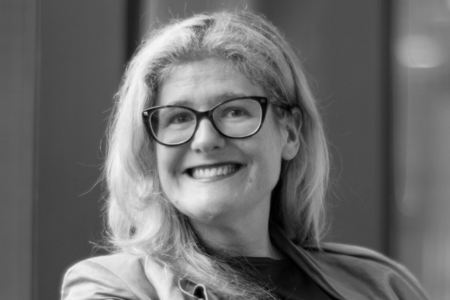 Impact beyond the bylineAs a highly respected journalist, Rachel Alembakis helped push sustainable investing on the agenda long before it was mainstream. Now, she's stepped into ... 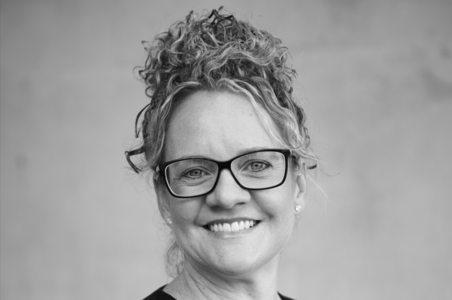 Following the currentIt wasn't confidence that prompted Sarah Shaw to walk away from established investment houses and co-found 4D Infrastructure in 2015. It was something ... 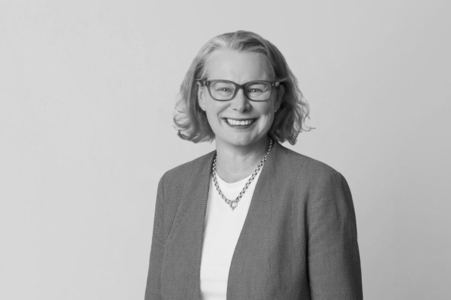 Right place, right timeLiza McDonald would have you believe her path from a legal secretary to the head of responsible investment at Aware Super was a matter of good fortune. 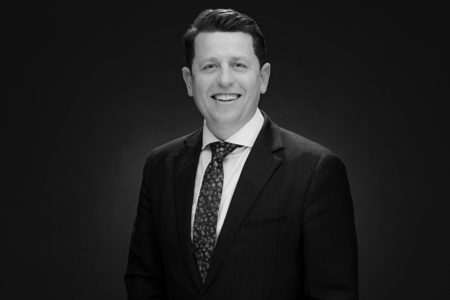 Embedding trustAfter 25 years, Andrew Gregory remains motivated by the impact financial advice can have on Australians' lives. As UniSuper's chief advice officer, he ... 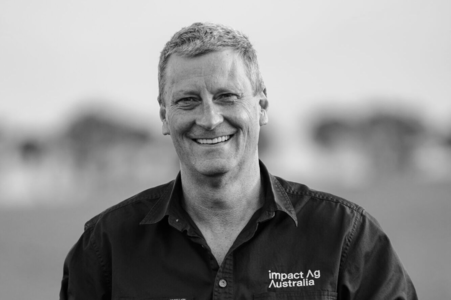 Shaped by resilienceFor Hugh Killen, several life lessons came from spending time on pastoral properties stretching across northern New South Wales and South-West Queensland. 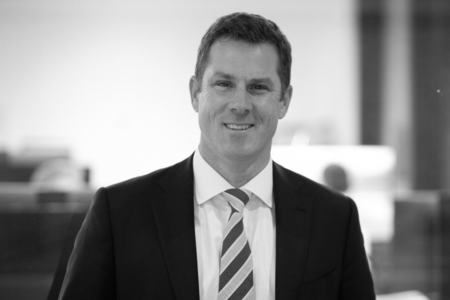 Raising the barSince becoming chief executive, Blake Briggs has renewed the Financial Services Council's influence, expanded the membership base, and strengthened its ...  Giving backWhen Judith Fiander first walked in the doors of Australian Philanthropic Services her intention was to volunteer for a few months. Fast forward 14 years ...  Through the cyclesWhat makes an economist an economist? TCorp chief economist Brian Redican reflects on over three decades of navigating Australia's economic cycles. Riddhima ... |



Editor's Choice
Inflation hits 4.3%, RBA says it remains 'too high'
|Australia's inflation rose to 4.3% in the 12 months to September, according to the latest data from the Australian Bureau of Statistics (ABS).
Cbus creates new role for legal operations
|Cbus has welcomed a legal specialist to join the fund in a newly created role of group head of legal operations and strategy, bringing relevant experience from regulators ASIC and APRA.
Dexus to pay $30m in legal bills for leaked airport data case
|The Supreme Court of NSW has ordered Dexus to cover close to $30 million in legal costs incurred by Melbourne Airport owner Australia Pacific Airports Corporation (APAC) and its shareholders, after the property giant lost a court fight over claims it improperly shared confidential data while trying ...

Further Reading
Products



Expert Feed


When geopolitics becomes a portfolio risk
Geopolitics is back - again - and Australian investors can no longer treat it as distant background noise.
Does association membership still matter?
With all the changes the advice sector has experienced in recent years, such as regulatory reform and increased education and professional standards ...


Digital assets and where they stand in 2026
So far in 2026 digital assets have captured the headlines largely for the wrong reasons, but that doesn't tell the full story.
Rethinking default design in a changing market environment
The evolution underway in the US DC system highlights the value of periodically reassessing default design assumptions.
Featured Profile
David Sharpe
CHAIRMAN
FINANCIAL ADVICE ASSOCIATION AUSTRALIA
FINANCIAL ADVICE ASSOCIATION AUSTRALIA
A family man, business owner, cricket fanatic and financial adviser, David Sharpe has many facets. One of his biggest legacies, as he steps down as chair of the Financial Advice Association Australia, is leaving the profession stronger than he found it.