

|
Editor's Choice
Australia's retirement system receives first A-grade
Australia's retirement system has finally received an A-grade rating in the annual Marsh CFA Institute Global Pension Index after stagnating at the B+ level for the last five years.
Brighter Super changes up investment, insurance fees
Not-for-profit fund Brighter Super has introduced numerous changes to its fees, decreasing investment fees while increasing insurance costs.
Channel Capital wins distribution mandate
Channel Capital has been appointed by Coller EQT to distribute, promote and service investor support to the two secondaries strategies currently available in Australia.
Perpetual asset management outflows hit $9.6bn
Perpetual's asset management business recorded $9.6 billion in net outflows during the September quarter, weighing on funds under management as its Corporate Trust Division reached a record $1.4 trillion in funds under administration.

Further Reading
Products



Expert Feed


When geopolitics becomes a portfolio risk
Geopolitics is back - again - and Australian investors can no longer treat it as distant background noise.
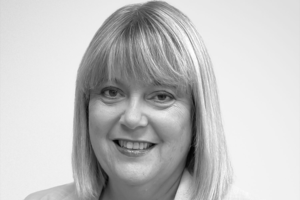
Does association membership still matter?
With all the changes the advice sector has experienced in recent years, such as regulatory reform and increased education and professional standards ...


Digital assets and where they stand in 2026
So far in 2026 digital assets have captured the headlines largely for the wrong reasons, but that doesn't tell the full story.
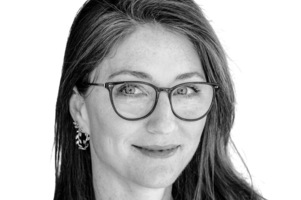
Rethinking default design in a changing market environment
The evolution underway in the US DC system highlights the value of periodically reassessing default design assumptions.
Featured Profile
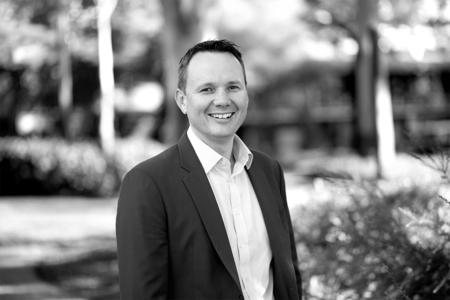
David Sharpe
CHAIRMAN
FINANCIAL ADVICE ASSOCIATION AUSTRALIA
FINANCIAL ADVICE ASSOCIATION AUSTRALIA
A family man, business owner, cricket fanatic and financial adviser, David Sharpe has many facets. One of his biggest legacies, as he steps down as chair of the Financial Advice Association Australia, is leaving the profession stronger than he found it.