

|
Editor's Choice
IFM continues global infra drive with appointment, acquisition
|IFM Investors head of infrastructure for North America will retire following an 18-year tenure, with the investment company simultaneously announcing the acquisition of a majority stake in a UK-based company from Canadian Pension Plan Investments and OMERS.
ART rolls out new investment technology platform
|Australian Retirement Trust (ART) has launched a new portfolio management system as the $375 billion superannuation fund strengthens its investment capabilities targeting further growth.
Advised cover faces claims data test
|Group superannuation insurance appears to outperform individual advised cover on some claim's measures, raising questions about the value of advice when it comes to protecting clients against disability.
Trustees drop the ball on advice fee oversight
|In line with the government's push to tighten the gap in oversight on financial advice fee deductions from super funds, a solution provider is observing a spike in trustees reaching out for expertise, but highlighted the move is not to assess the quality of advice provided.

Further Reading
Products



Expert Feed


When geopolitics becomes a portfolio risk
Geopolitics is back - again - and Australian investors can no longer treat it as distant background noise.
Does association membership still matter?
With all the changes the advice sector has experienced in recent years, such as regulatory reform and increased education and professional standards ...


Digital assets and where they stand in 2026
So far in 2026 digital assets have captured the headlines largely for the wrong reasons, but that doesn't tell the full story.
Rethinking default design in a changing market environment
The evolution underway in the US DC system highlights the value of periodically reassessing default design assumptions.
Featured Profile
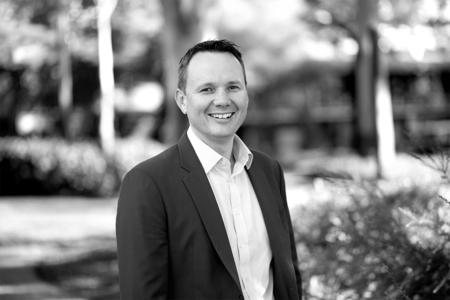
David Sharpe
CHAIRMAN
FINANCIAL ADVICE ASSOCIATION AUSTRALIA
FINANCIAL ADVICE ASSOCIATION AUSTRALIA
A family man, business owner, cricket fanatic and financial adviser, David Sharpe has many facets. One of his biggest legacies, as he steps down as chair of the Financial Advice Association Australia, is leaving the profession stronger than he found it.