

|
Editor's Choice
Former chief financial officer at Rest returns in new role
|Rest is welcoming back it's former chief financial officer as its inaugural chief commercial officer.
Macquarie chair provides 'cautious' outlook at AGM
|Macquarie Group has provided its first quarter update at its AGM, with outgoing chief executive Shemara Wikramanayake describing trading conditions as "satisfactory".
GDG delivers 36% jump in FUM
|Generation Development Group has reported strong growth to the year ending June 30.
Aussie Olympian's brother sentenced over crypto scam
|The brother of Australian breakdancing Olympian 'Raygun' has been sentenced 12 months' imprisonment for his role in a global cryptocurrency scam.

Further Reading
Products



Expert Feed


When geopolitics becomes a portfolio risk
Geopolitics is back - again - and Australian investors can no longer treat it as distant background noise.

Does association membership still matter?
With all the changes the advice sector has experienced in recent years, such as regulatory reform and increased education and professional standards ...


Digital assets and where they stand in 2026
So far in 2026 digital assets have captured the headlines largely for the wrong reasons, but that doesn't tell the full story.

Rethinking default design in a changing market environment
The evolution underway in the US DC system highlights the value of periodically reassessing default design assumptions.
Featured Profile
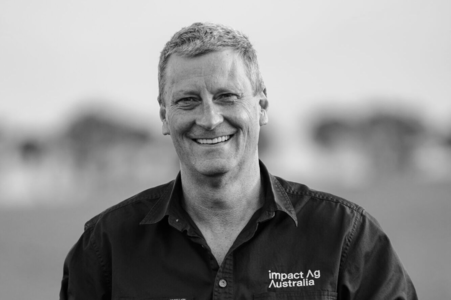
Hugh Killen
MANAGING DIRECTOR AND CHIEF EXECUTIVE OFFICER
AUSTRALIAN AGRICULTURAL COMPANY LIMITED
AUSTRALIAN AGRICULTURAL COMPANY LIMITED
For Hugh Killen, several life lessons came from spending time on pastoral properties stretching across northern New South Wales and South-West Queensland.