


|
Editor's Choice
Advisers lean on AQF7 to meet education standards: Rainmaker
A new report indicates that Australian Qualifications Framework (AQF) 7 qualifications are the most common forms of qualification among financial advisers, held by 85% of the population.
Labor commits to compulsory super for under-18 workers
Labor has unanimously supported extending superannuation to under-18 Australian workers.
Trump slugs Australia with new 'forced-labour' tariffs
US President Donald Trump will slug trading partners, including Australia, with new tariffs of 10% to 12.5% on the premise of pressuring foreign governments to strengthen bans on "the importation of goods produced with forced labour."
Centuria quashes governance allegations amid fund downgrades
Centuria Capital Group has swiftly provided a response to media reports suggesting that its exposure to the Bathla Group, a Sydney-based property constructor and developer, raised questions over its governance, following a downgrade of one of its private credit funds this week.

Further Reading
Products



Expert Feed


When geopolitics becomes a portfolio risk
Geopolitics is back - again - and Australian investors can no longer treat it as distant background noise.

Does association membership still matter?
With all the changes the advice sector has experienced in recent years, such as regulatory reform and increased education and professional standards ...


Digital assets and where they stand in 2026
So far in 2026 digital assets have captured the headlines largely for the wrong reasons, but that doesn't tell the full story.

Rethinking default design in a changing market environment
The evolution underway in the US DC system highlights the value of periodically reassessing default design assumptions.
Featured Profile
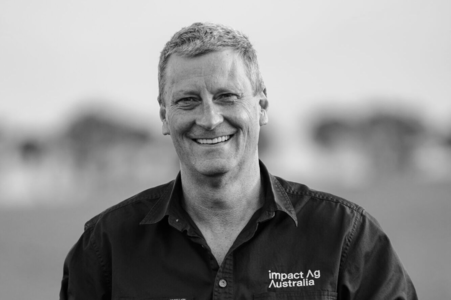
Hugh Killen
MANAGING DIRECTOR AND CHIEF EXECUTIVE OFFICER
AUSTRALIAN AGRICULTURAL COMPANY LIMITED
AUSTRALIAN AGRICULTURAL COMPANY LIMITED
For Hugh Killen, several life lessons came from spending time on pastoral properties stretching across northern New South Wales and South-West Queensland.