


MySuper Bill could expose individual trustees to legal actionBY BEN COLLINS | MONDAY, 13 AUG 2012 11:50AMSuperannuation reforms could leave individual trustees open to litigation, causing a group of representative bodies to write to the Federal Government to voice their concerns. |



Editor's Choice
Apostle taps former Platinum AM chief
Apostle Funds Management has appointed a new chief executive following the departure of managing director Mitchell Gunman earlier this year.
LRBA ban raises questions as new details emerge
New data indicates the impact of the LRBAs ban for SMSFs may have been underestimated, which will affect a market significantly larger than what officials suggested, with major implications for housing supply and competition in the mortgage market.
IFM acquires shopping centre portfolio for $300m
IFM Investors has acquired a shopping centre portfolio to be developed and built by Australian-owned developer-builder Oreana with a value of approximately $300 million, as it seeks to harness a surge in convenience-based shopping.
VanEck targets tech thematics with trifecta launch
VanEck is bringing three ETFs to life for local investors to access thematic investments across several emerging technology sectors, including what it says is "Australia's first dedicated quantum computing ETF."
Videos
Brought to you by ![]()

Further Reading
Products



Expert Feed


When geopolitics becomes a portfolio risk
Geopolitics is back - again - and Australian investors can no longer treat it as distant background noise.
Does association membership still matter?
With all the changes the advice sector has experienced in recent years, such as regulatory reform and increased education and professional standards ...


Digital assets and where they stand in 2026
So far in 2026 digital assets have captured the headlines largely for the wrong reasons, but that doesn't tell the full story.

Rethinking default design in a changing market environment
The evolution underway in the US DC system highlights the value of periodically reassessing default design assumptions.
Featured Profile
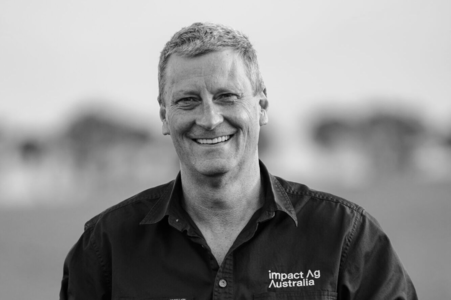
Hugh Killen
MANAGING DIRECTOR AND CHIEF EXECUTIVE OFFICER
AUSTRALIAN AGRICULTURAL COMPANY LIMITED
AUSTRALIAN AGRICULTURAL COMPANY LIMITED
For Hugh Killen, several life lessons came from spending time on pastoral properties stretching across northern New South Wales and South-West Queensland.





The Financial Standard podcast Tune in each week as we discuss the latest developments in Australia's wealth management industry. |  |








Aren't these the same people who want further regulation, legal responsibilities and liabilities placed onto SMSF Trustees? Yet when faced with having responsibilities of their own - they want to run a mile. If they want to be in charge of the superannuation funds of their members, isn't this responsibility only fair. That is why a lot of people decide to have there own SMSF because they are prepared and want to be responsible for their investment decisions rather than have faceless trustees who are prepared to take risks with someone else's money - and not be responsible for the risks that they take. Perhaps the unintended consequences of this legislation were not so unintended.
In order to maintain an action in breach of trust in the context of failing to retain the value of trust assets, the beneficiaries must prove that the trustees made decisions regarding investments which would not have been made by an ordinary, prudent business person, and that a quantifiable loss to the trust estate has resulted. (See Nestle v National Westminster Bank Plc [1994] 1 All ER 118). I contend that trustees generally do make investment decisions in an acceptable way, but that if a trustee does breach trust in such a manner, that they should be held accountable.
Secondly, it is a principle of good corporate governance that directors are legally and personally accountable for their decisions where negligent or intentionally malicious.
I agree that the changes do increase the risk of litigation, and that might well be a good thing for both beneficiaries and trustees alike. It should keep trustees active and engaged in ensuring the interests of beneficiaries. MySuper is aimed at protecting the rights of those members most reliant on trustees, so it's fitting that they should have a strict level of accountability.
We are not arguing that trustees should not be accountable, and we support the highest standards being applied to trustee directors, we just want some amendments to the wording - a very normal process when dealing with legislation.