

|
Editor's Choice
APRA investigating Diversa's executive compensation
|APRA has commenced an investigation into if Diversa's executive remuneration decisions were made in accordance with prudential standards and trustees' duties under the Superannuation Industry (Supervision) Act.
Kudu continues Australian expansion with fresh investment
|Kudu Investment Management has acquired a minority stake in a Sydney-based financial advisory business mere days after an identical transaction with Drummond Capital Partners.
Apex takes on Mercer's NZ fund admin business
|Apex Group has expanded its presence in New Zealand, agreeing to onboard Mercer New Zealand's fund administration operations as part of its broader growth strategy across Australasia.
Aware Super ups stake in retirement village asset
|Aware Super has increased its ownership in Keyton, Australia's largest owner and operator of retirement villages, to 75% by acquiring Lendlease's interest of 25.1%.

Further Reading
Products



Expert Feed


When geopolitics becomes a portfolio risk
Geopolitics is back - again - and Australian investors can no longer treat it as distant background noise.

Does association membership still matter?
With all the changes the advice sector has experienced in recent years, such as regulatory reform and increased education and professional standards ...


Digital assets and where they stand in 2026
So far in 2026 digital assets have captured the headlines largely for the wrong reasons, but that doesn't tell the full story.

Rethinking default design in a changing market environment
The evolution underway in the US DC system highlights the value of periodically reassessing default design assumptions.
Featured Profile
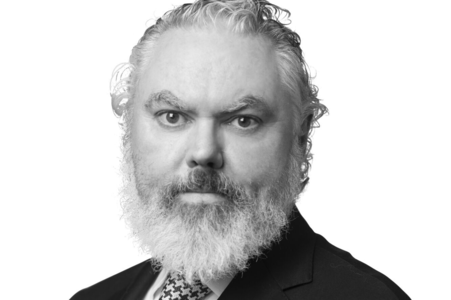
Brian Redican
CHIEF ECONOMIST
NEW SOUTH WALES TREASURY CORPORATION
NEW SOUTH WALES TREASURY CORPORATION
What makes an economist an economist? TCorp chief economist Brian Redican reflects on over three decades of navigating Australia's economic cycles. Riddhima Talwani writes.