


Active management a 2% tax dragBY MARK SMITH | WEDNESDAY, 27 MAR 2013 11:30AMThe high turnover of active managed funds generates tax inefficiencies that can drag portfolios by as much as 2%, according to global asset manager Parametric. |



Editor's Choice
Early access undermines super's purpose: Mulino
Assistant treasurer Daniel Mulino took an aim at plans by the opposition to let Australians dip into their super early, stating weakening preservation would undermine intergenerational protections and hurt the most vulnerable.
ASIC ups thresholds for NTA requirements
ASIC has introduced new rules that will require managed investment schemes (MISs) to increase minimum financial thresholds in their net tangible assets (NTAs).
The risks keeping APRA's new deputy chair up at night
The Australian Prudential Regulation Authority's (APRA) new deputy chair David Bradbury said the risks that keep him awake at night are those with the potential to threaten the financial stability of the super system or cause catastrophic losses for members.
Merricks Capital operating chief joins PC firm
Former Merricks Capital chief operating officer has joined a specialised private credit firm after overseeing Merricks Capital's financial and operational businesses for the past six years.

Further Reading
Products



Expert Feed


When geopolitics becomes a portfolio risk
Geopolitics is back - again - and Australian investors can no longer treat it as distant background noise.
Does association membership still matter?
With all the changes the advice sector has experienced in recent years, such as regulatory reform and increased education and professional standards ...


Digital assets and where they stand in 2026
So far in 2026 digital assets have captured the headlines largely for the wrong reasons, but that doesn't tell the full story.

Rethinking default design in a changing market environment
The evolution underway in the US DC system highlights the value of periodically reassessing default design assumptions.
Featured Profile
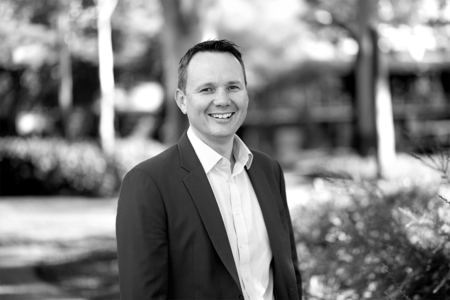
David Sharpe
CHAIRMAN
FINANCIAL ADVICE ASSOCIATION AUSTRALIA
FINANCIAL ADVICE ASSOCIATION AUSTRALIA
A family man, business owner, cricket fanatic and financial adviser, David Sharpe has many facets. One of his biggest legacies, as he steps down as chair of the Financial Advice Association Australia, is leaving the profession stronger than he found it.






The Financial Standard podcast Tune in each week as we discuss the latest developments in Australia's wealth management industry. |  |



The 2% number might be correct if you are a top marginal tax payer, but for most people their investments in equity are largely via superannuation, the cost is far lower. Any article that talks about tax should state up front what tax rate individual they are talking about. For instance, for the $400B in pension money, capital gains tax is irrelevant, so the only costs would be lost franking.
I strongly agree with Scott that portfolios should be managed on an after tax basis, and I stress that the after tax calculations must be appropriately structured unlike some which just get part of the way there.
However some points in the article I disagree with.
1) retirement strategies using tax free regime don't have tax drag, assuming one doesn't miss franking credits.
2) Phil Dolan and I independently estimated the pre-tax alpha one needed from active Aussie portfolios to match the benchmark on an after tax performance basis and agreed that it is around 3/4%; somewhat less than expressed in the article!
3) if active managers can identify "stocks that anyone with half a brain wouldn't go anywhere near" why doesn't the industry perform better? Is the quote implying the industry had less than half a brain?
The issue about the pension phase is that while CGT is suddenly irrelevant, most funds are not managing this properly so the benefits are lost. There is a lot of room for improvement here.
Parcel picking for the pension phase is just as relevant as it is for CGT in the super phase if you want to optimise tax in the long term. The reason for this is that when you die you want the pension fund to have used all the low cost parcels so the ongoing CGT liabilities for your beneficiaries is therefore low.