

|
Editor's Choice
Colchester launches first two ETFs in Australia
|Colchester Global Investors has handed a mandate to Equity Trustees for two new ETFs, making it's first offerings in Australia.
Local advice sector an attractive opportunity for global PE firms
|Local experts are observing a growing investment opportunity in Australian advice platforms that may not be as apparent for global investors, but since the sector is currently at its "infancy", many can capitalise on buying low and selling high.
FSC calls for tougher oversight of advice licensees
|The Financial Services Council (FSC) has called for a significant overhaul of ASIC's supervisions of financial advice licensees, arguing stronger regulatory oversight is needed to better protect consumers following recent industry failures.
State Street launches first active ETFs in Australia
|State Street Investment Management has launched two actively managed exchange-traded funds (ETFs) in an extension of its partnership with Blackstone Credit and Insurance.

Further Reading
Products



Expert Feed


When geopolitics becomes a portfolio risk
Geopolitics is back - again - and Australian investors can no longer treat it as distant background noise.

Does association membership still matter?
With all the changes the advice sector has experienced in recent years, such as regulatory reform and increased education and professional standards ...


Digital assets and where they stand in 2026
So far in 2026 digital assets have captured the headlines largely for the wrong reasons, but that doesn't tell the full story.

Rethinking default design in a changing market environment
The evolution underway in the US DC system highlights the value of periodically reassessing default design assumptions.
Featured Profile
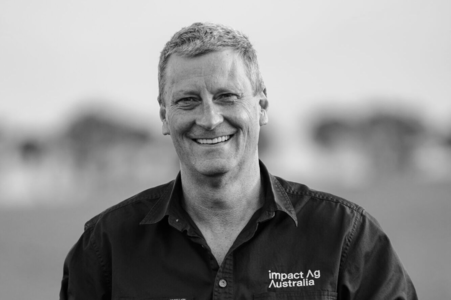
Hugh Killen
MANAGING DIRECTOR AND CHIEF EXECUTIVE OFFICER
AUSTRALIAN AGRICULTURAL COMPANY LIMITED
AUSTRALIAN AGRICULTURAL COMPANY LIMITED
For Hugh Killen, several life lessons came from spending time on pastoral properties stretching across northern New South Wales and South-West Queensland.