


Expected retirement age slowly going upBY ALEX DUNNIN | TUESDAY, 10 DEC 2013 12:35PMDespite the policy push for increasing the retirement age, most Australians are still retiring in their early fifties even though more future retirees expect to have to keep working beyond age 70. Related News |



Editor's Choice
Advisers should rethink portfolio construction: La Trobe
|La Trobe Financial has urged advisers to broaden portfolio construction beyond traditional equity and bond allocations, arguing that slowing productivity, persistent inflation risks and changing market dynamics require greater focus on real assets and private credit.
Sequoia caves into InterPrac sale undertaking, ASIC withdraws proceedings
|With ASIC withdrawing legal proceedings against Sequoia Financial Group after it entered an undertaking not to put the Cross Deed of Guarantee at risk tied to the sale of InterPrac Financial Planning, the group remains coy about the deal with Conquest Investment Management going ahead.
Pinnacle profits up amid heightened expenses
|Despite heightened expenses of $95.3 million in FY26, reflected by losses from its principal investments, Pinnacle Investment Management (ASX: PNI) saw its net profit after tax (NPAT) surge to over $30 million, with affiliates' funds under management (FUM) also gaining $50 billion, in the 12 months ...
ASIC consults to improve flexibility around pre-IPO comms
|ASIC has released a proposal to provide companies greater flexibility when listing on the public market to publicise their upcoming initial public offering (IPO).
Videos
Brought to you by ![]()

Further Reading
Products



Expert Feed


When geopolitics becomes a portfolio risk
Geopolitics is back - again - and Australian investors can no longer treat it as distant background noise.
Does association membership still matter?
With all the changes the advice sector has experienced in recent years, such as regulatory reform and increased education and professional standards ...


Digital assets and where they stand in 2026
So far in 2026 digital assets have captured the headlines largely for the wrong reasons, but that doesn't tell the full story.

Rethinking default design in a changing market environment
The evolution underway in the US DC system highlights the value of periodically reassessing default design assumptions.
Featured Profile
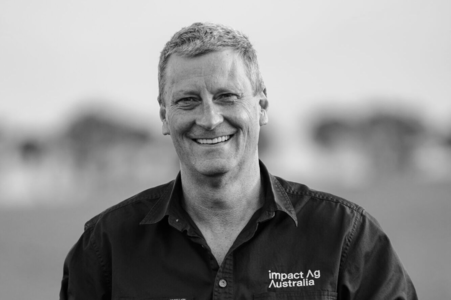
Hugh Killen
MANAGING DIRECTOR AND CHIEF EXECUTIVE OFFICER
AUSTRALIAN AGRICULTURAL COMPANY LIMITED
AUSTRALIAN AGRICULTURAL COMPANY LIMITED
For Hugh Killen, several life lessons came from spending time on pastoral properties stretching across northern New South Wales and South-West Queensland.





The Financial Standard podcast Tune in each week as we discuss the latest developments in Australia's wealth management industry. |  |








This is an overly simplistic interpretation of the ABS data that doesn't account for the ABS's on note on how the average age of retirement is not representative. The population is skewed because those who retire early are more likely to be alive still and therefore participate in the survey.
To counter this skew, the ABS produce a series of other averages based on those who have retired recently, such as 'retired in the last 5 years'. The average age there is 61.5 years.
This is similar to what the OECD reports on retirement age. That uses net withdrawals from the labour market based on labour force participation rates. While by no means perfect, it isn't skewed by survey responses like those in the Multipurpose Household Survey (MPHS). And such retirement rates can easily be replicated using Census data.
If personal longevity awareness was more widespread people might make more informed decisions about retirement. Longevity awareness includes how long a person might live and why that may be different from average, what's happening in the community to reflect longer life expectancies, the longer term prospects of government support, longer term caring, dependency and end of life issues. Longevity awareness training is becoming as important as financial literacy, especially for people over age fifty.