

|
Editor's Choice
ASIC flags gaps in super fund valuations
|ASIC has called for stronger scrutiny of unlisted investments after finding persistent weakness in how some superannuation funds and auditors assess asset valuations, raising concerns about the accuracy of members' retirement balances.
IMF sees inflation above RBA target through 2027
|The International Monetary Fund (IMF) has projected Australia's inflation to ease to 3.1% in 2027 from 3.9% this year, leaving it outside the Reserve Bank of Australia's (RBA) target range of 2% to 3%.
Treasury consults shifting tax debts from victims to abusers
|Treasury is consulting on extending the powers of the Australian Taxation Office (ATO) to strengthen its response to financial abuse.
Former adviser defies permanent banning orders
|Former financial adviser Ezzat Daniel Nesseim has defied ASIC's permanent banning orders and is in the process of being prosecuted.

Further Reading
Products



Expert Feed

When geopolitics becomes a portfolio risk
Geopolitics is back - again - and Australian investors can no longer treat it as distant background noise.
Does association membership still matter?
With all the changes the advice sector has experienced in recent years, such as regulatory reform and increased education and professional standards ...


Digital assets and where they stand in 2026
So far in 2026 digital assets have captured the headlines largely for the wrong reasons, but that doesn't tell the full story.
Rethinking default design in a changing market environment
The evolution underway in the US DC system highlights the value of periodically reassessing default design assumptions.
Featured Profile
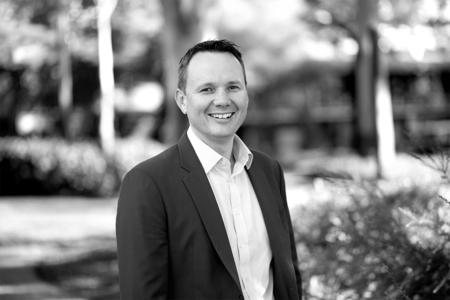
David Sharpe
CHAIRMAN
FINANCIAL ADVICE ASSOCIATION AUSTRALIA
FINANCIAL ADVICE ASSOCIATION AUSTRALIA
A family man, business owner, cricket fanatic and financial adviser, David Sharpe has many facets. One of his biggest legacies, as he steps down as chair of the Financial Advice Association Australia, is leaving the profession stronger than he found it.