




Editor's Choice
Capstone joins forces with PictureWealth to form $22bn FUA planning network
PictureWealth Group has inked a landmark deal with national advice licensee Capstone Financial Planning, forming a combined business with 360 financial advisers and $22 billion in funds under advice.
Mercer reviews small caps, Aussie equities mandates
Mercer Investments Australia has overhauled the fund manager line-up across its Australian equities and small-caps funds following an investment review, retaining some incumbents and awarding fresh mandates at the same time.
HESTA launches campaign around super tax benefits
The super fund is launching 'Super Saturday' to help those that are missing out on the advantage from super tax benefits ahead of the end of the financial year.
RBA on hold, rate cuts expected
The Reserve Bank of Australia kept interest rates on hold at its June meeting with economists suggesting the next move could be a rate cut.

Products



Expert Feed


When geopolitics becomes a portfolio risk
Geopolitics is back - again - and Australian investors can no longer treat it as distant background noise.
Does association membership still matter?
With all the changes the advice sector has experienced in recent years, such as regulatory reform and increased education and professional standards ...


Digital assets and where they stand in 2026
So far in 2026 digital assets have captured the headlines largely for the wrong reasons, but that doesn't tell the full story.

Rethinking default design in a changing market environment
The evolution underway in the US DC system highlights the value of periodically reassessing default design assumptions.
Featured Profile
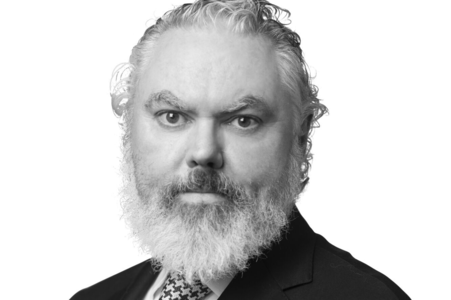
Brian Redican
CHIEF ECONOMIST
NEW SOUTH WALES TREASURY CORPORATION
NEW SOUTH WALES TREASURY CORPORATION
What makes an economist an economist? TCorp chief economist Brian Redican reflects on over three decades of navigating Australia's economic cycles. Riddhima Talwani writes.













Really !!! I wonder what the report will look like in 2018. Maybe take the same road the UK did ??
Mr Trowbridge was reported to have filtered-out all dissenting voices from his Committee in his report. The whole thing has been an institutional orchestrated deception from the start. Even the AFA walked away from Trowbridge. Trowbridge is just a mouthpiece for the large institutions who are immune from these changes because they have their advisers on a salary, and also happen to be the primary organisations responsible for conflicted advice. We understand that high upfronts are not sustainable, but Hybrid 80/20 should have been where this landed, not 60. There is no doubt that these changes are designed to squeeze-out the independent advisers in favour of the big end of town such as banks who have done nothing but sully the industry with their high profile advice failures, Senate enquiries and large compensation payouts to their victims. Insurance companies can now raise their renewal premiums beyond client affordability (as some have done recently) and when the client cancels or wants a better option, it will be the Adviser who wears the clawback for three years. Reverse selection (clients cancelling in the wake of large price hikes) accounts for far higher lapses than churning by unscrupulous advisers ever has. Now the insurance companies are free to gouge the client. Australia suffers a chronic underinsurance problem which is a massive liability on the public social security system. If you want more people insured with non-conflicted insurance advice, then you should be encouraging your third party distribution, not sitting in your arm chairs making decisions to bolster your own organisations, reducing choice and killing off the competition.