


Competing forces challenge traditional group insurance designBY KARREN VERGARA | FRIDAY, 20 NOV 2026 10:28AMThe convergence of premium increases, default cover volatility and the country's unprecedented mental health crisis are forcing superannuation funds and life insurance partners to rethink and redesign group insurance, the annual Association of Superannuation Funds of Australia (ASFA) Conference heard. Insurance in superannuation has not kept up with Australians' evolving physical and mental illness needs and requires dramatic overhaul if it is to remain sustainable and meet members' best interest, AIA Australia chief executive Damien Mu said. "Is insurance in superannuation still fit for purpose? We have to say, 'no'," he told the conference. "When we see the types of claims coming through, are lump sum benefits for someone who's 30 with a mental health issue the right way to go? No," he said. While Mu has seen "some great work from funds and insurers," he believes that "real bravery and conviction" are necessary to revolutionise and adapt benefit designs to changing member needs. Mu wants to see benefit design evolve, with fewer big lump sum payouts to more emphasis on supportive income protection-style benefits while helping people recover. AIA's group claims experience for 2025 saw total income protection claims increase to $555 million, up from $516 million in the prior year. Total and permanent disability (TPD) continued to be a significant cost driver, with $583 million paid, compared to $622 million in 2024. "Those benefit designs cannot be a set and forget. The supply-demand issue is not going to be solved by continuing to reduce levels of cover and raising premiums. It has to be about moving right upstream and saying your insurance journey starts when you become a member: your health journey starts when you become a member," Mu said. "I think we need to think about how we can integrate and embed new member journeys right from the start, not at the end when a claim comes through. And we've seen good progress on that." In the discussion, TAL group chief executive Fiona Macgregor highlighted some of the challenges insurers are grappling with when it comes to mental ill health. One challenge is that mental ill health is at times "described as subjective" while other medical conditions are "objectively diagnosed." "The assessments for mental health claims can be more complicated, and particularly the question around permanence, which can be perhaps, at worst, quite unhelpful for somebody who's struggling with mental ill health. A large financial incentive is not a helpful benefit design in that sort of consequence," she said. "That has been the biggest realisation of the last couple of years for the industry as a whole." On a deeper level, life insurers have considered whether physical health and mental health should be separated. "We need to be cautious around that in a system that is mandated and a national safety net. We need to make sure we're able to support people in whatever situation they're in. But we do need to think about benefit levels and thoughtful benefit design, and particularly with a bias towards recovery rather than permanence in relation to mental ill health," Macgregor said. Related News |


Editor's Choice
Challenger rejects TAL's revised offer
APRA extends deadline for Retirement Reporting Framework
Super funds poised to serve multi-generational households
Ardea IM research lead departs for fresh role

Products



Expert Feed


When geopolitics becomes a portfolio risk
Does association membership still matter?


Digital assets and where they stand in 2026

Rethinking default design in a changing market environment
Featured Profile
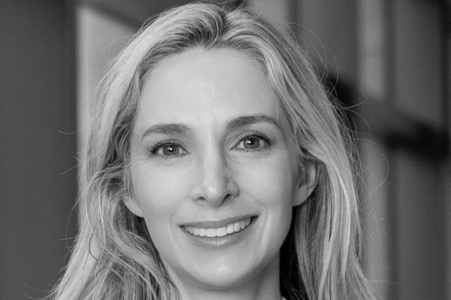
Fiona Macgregor
TAL LIMITED





The Financial Standard podcast Tune in each week as we discuss the latest developments in Australia's wealth management industry. |  |