

|
Editor's Choice
Global X awards mandate for ETF business
|Global X has awarded a new custody and administration mandate for its Australian ETF business.
Bell Asset Management launches small-caps fund
|Bell Asset Management has formally launched its Australian Small Companies Fund, which is run by former Tyndall Asset Management portfolio managers.
Former Australian Ethical finance chief lands new gig
|The former chief financial officer of the ethical investment manager has joined a local finance company after wrapping up his tenure at AUB Group.
MySuper assets pursue $1.5tn Choice sector
|MySuper assets are fast catching up to the $1.5 trillion Choice sector, hitting nearly $1.2 trillion in the March quarter.

Further Reading
Products



Expert Feed


When geopolitics becomes a portfolio risk
Geopolitics is back - again - and Australian investors can no longer treat it as distant background noise.
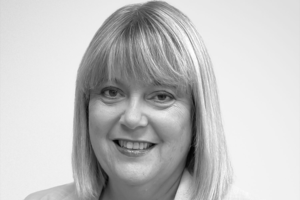
Does association membership still matter?
With all the changes the advice sector has experienced in recent years, such as regulatory reform and increased education and professional standards ...


Digital assets and where they stand in 2026
So far in 2026 digital assets have captured the headlines largely for the wrong reasons, but that doesn't tell the full story.
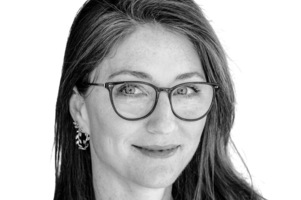
Rethinking default design in a changing market environment
The evolution underway in the US DC system highlights the value of periodically reassessing default design assumptions.
Featured Profile
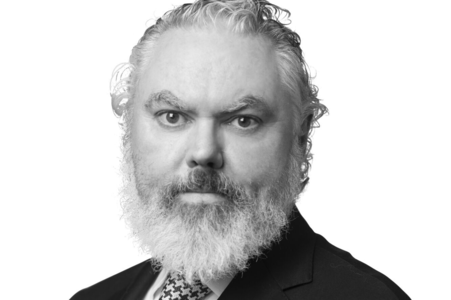
Brian Redican
CHIEF ECONOMIST
NEW SOUTH WALES TREASURY CORPORATION
NEW SOUTH WALES TREASURY CORPORATION
What makes an economist an economist? TCorp chief economist Brian Redican reflects on over three decades of navigating Australia's economic cycles. Riddhima Talwani writes.