


Trowbridge salutes risk reforms packageBY ALEX BURKE | FRIDAY, 26 JUN 2015 11:40AMLife Insurance and Advice Working Group (LIAWG) chair John Trowbridge has applauded the industry-led risk reforms package. Related News |



Editor's Choice
Former Income AM director launches fixed income advisory
A former Income Asset Management executive director has launched Ancora Fixed Income Advisory for high-net-worth clients targeting the defensive asset class.
TAL names super fund partnership lead
TAL has named a new partnership leader who will focus on its collaboration with a super fund, replacing Mel Jose, who left in August to join Netwealth after a two-year stint.
Capital Group expands into Middle East
Capital Group said the Middle East is a strategically important region for the business and its clients.
UniSuper says Firmus float was 'priced to perfection'
UniSuper chief investment officer John Pearce said the $175 billion super fund decided to not take part in the Firmus float, describing the neo-cloud company as "priced to perfection", before the initial public offering (IPO) was abandoned today.

Further Reading
Products



Expert Feed


When geopolitics becomes a portfolio risk
Geopolitics is back - again - and Australian investors can no longer treat it as distant background noise.

Does association membership still matter?
With all the changes the advice sector has experienced in recent years, such as regulatory reform and increased education and professional standards ...


Digital assets and where they stand in 2026
So far in 2026 digital assets have captured the headlines largely for the wrong reasons, but that doesn't tell the full story.

Rethinking default design in a changing market environment
The evolution underway in the US DC system highlights the value of periodically reassessing default design assumptions.
Featured Profile
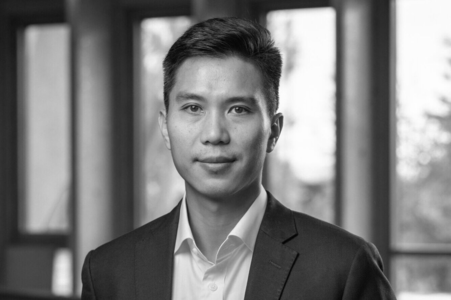
Cliff Man
CHIEF EXECUTIVE OFFICER
ETF SHARES MANAGEMENT LTD
ETF SHARES MANAGEMENT LTD
ETF Shares chief executive Cliff Man spent his career automating, building and challenging established systems. Now, he is betting that Australia's ETF market has room for something different. Vinny Vucago writes.






The Financial Standard podcast Tune in each week as we discuss the latest developments in Australia's wealth management industry. |  |








Really !!! I wonder what the report will look like in 2018. Maybe take the same road the UK did ??
Mr Trowbridge was reported to have filtered-out all dissenting voices from his Committee in his report. The whole thing has been an institutional orchestrated deception from the start. Even the AFA walked away from Trowbridge. Trowbridge is just a mouthpiece for the large institutions who are immune from these changes because they have their advisers on a salary, and also happen to be the primary organisations responsible for conflicted advice. We understand that high upfronts are not sustainable, but Hybrid 80/20 should have been where this landed, not 60. There is no doubt that these changes are designed to squeeze-out the independent advisers in favour of the big end of town such as banks who have done nothing but sully the industry with their high profile advice failures, Senate enquiries and large compensation payouts to their victims. Insurance companies can now raise their renewal premiums beyond client affordability (as some have done recently) and when the client cancels or wants a better option, it will be the Adviser who wears the clawback for three years. Reverse selection (clients cancelling in the wake of large price hikes) accounts for far higher lapses than churning by unscrupulous advisers ever has. Now the insurance companies are free to gouge the client. Australia suffers a chronic underinsurance problem which is a massive liability on the public social security system. If you want more people insured with non-conflicted insurance advice, then you should be encouraging your third party distribution, not sitting in your arm chairs making decisions to bolster your own organisations, reducing choice and killing off the competition.