


Super trustees need better vigilance: APRABY EMMA RAPAPORT | MONDAY, 27 MAR 2017 12:43PM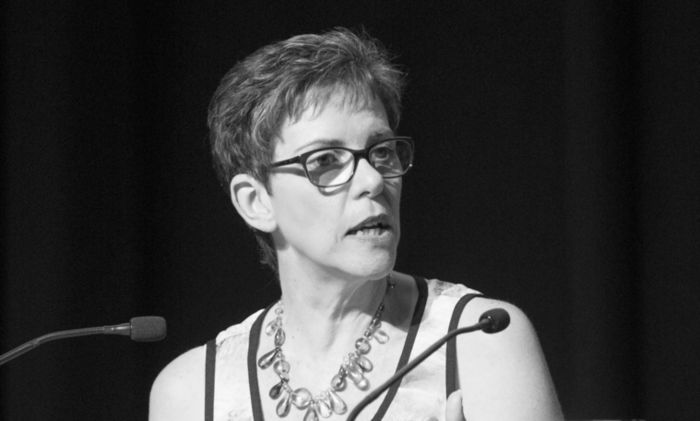 APRA's deputy chair Helen Rowell hit out at superannuation trustees who incur "inappropriate expenditures" saying that unnecessary costs negatively affect outcomes for members. Related News |



Editor's Choice
Super funds race to implement digital advice
Australian superannuation funds are increasingly turning to digital advice tools to bridge the longstanding gap between members needs and access to affordable financial guidance, according to executives at wealth technology Bravura Solutions.
Musk's $106bn fundamental-defying IPO lands on Nasdaq
SpaceX has raised US$75 billion ($106.8bn) in the biggest-ever stock market debut, valuing Elon Musk's rocket and satellite company at US$1.77 trillion.
Quinbrook appoints Australian lead
Energy transition infrastructure investor Quinbrook has appointed Tim Horneman as region leader for Australia, formalising his responsibility for the firm's local investment activities and business operations.
Former ASFA COO joins housing fund manager
The former chief operating officer of the Association of Superannuation Funds of Australia (ASFA) has joined C1 Capital Group as chief investment and operating officer.

Products



Expert Feed

When geopolitics becomes a portfolio risk
Geopolitics is back - again - and Australian investors can no longer treat it as distant background noise.
Does association membership still matter?
With all the changes the advice sector has experienced in recent years, such as regulatory reform and increased education and professional standards ...


Digital assets and where they stand in 2026
So far in 2026 digital assets have captured the headlines largely for the wrong reasons, but that doesn't tell the full story.
Rethinking default design in a changing market environment
The evolution underway in the US DC system highlights the value of periodically reassessing default design assumptions.
Featured Profile
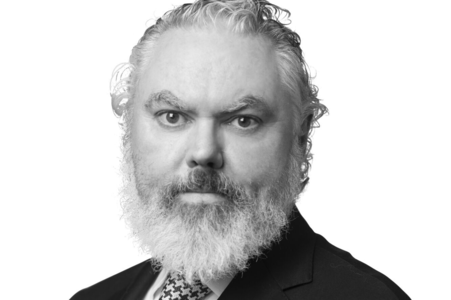
Brian Redican
CHIEF ECONOMIST
NEW SOUTH WALES TREASURY CORPORATION
NEW SOUTH WALES TREASURY CORPORATION
What makes an economist an economist? TCorp chief economist Brian Redican reflects on over three decades of navigating Australia's economic cycles. Riddhima Talwani writes.











The issue I see is APRA's interpretation of what makes a person independent because each person will have a past history which will influence their decision-making processes. We all carry some baggage from our past whether we come from the employer or employee side, so can anyone be truly independent?
Surely it should be about what skills and abilities a person has rather than are they are 'independent'. By adding independent trustees to the board aren't we just adding to the cost, yet APRA also say that's a major issue? So which is it?
The decision to merge or close a fund should sit with the members and in fact it does. If a member is unhappy they can move to another Fund or is APRA saying members do not understand?
If that's the case why not spend money educating Australians of their rights instead of lecturing funds that they should make the decision without even consulting their members?