


Return to the mutual model: ExpertBY ELIZABETH MCARTHUR | THURSDAY, 3 OCT 2019 12:00PMA financial advice industry veteran has called for a return to the mutual model, saying the sector has lost focus and a sense of purpose. Related News |



Editor's Choice
Capstone joins forces with PictureWealth to form $22bn FUA planning network
PictureWealth Group has inked a landmark deal with national advice licensee Capstone Financial Planning, forming a combined business with 360 financial advisers and $22 billion in funds under advice.
Mercer reviews small caps, Aussie equities mandates
Mercer Investments Australia has overhauled the fund manager line-up across its Australian equities and small-caps funds following an investment review, retaining some incumbents and awarding fresh mandates at the same time.
HESTA launches campaign around super tax benefits
The super fund is launching 'Super Saturday' to help those that are missing out on the advantage from super tax benefits ahead of the end of the financial year.
RBA on hold, rate cuts expected
The Reserve Bank of Australia kept interest rates on hold at its June meeting with economists suggesting the next move could be a rate cut.

Products



Expert Feed


When geopolitics becomes a portfolio risk
Geopolitics is back - again - and Australian investors can no longer treat it as distant background noise.
Does association membership still matter?
With all the changes the advice sector has experienced in recent years, such as regulatory reform and increased education and professional standards ...


Digital assets and where they stand in 2026
So far in 2026 digital assets have captured the headlines largely for the wrong reasons, but that doesn't tell the full story.
Rethinking default design in a changing market environment
The evolution underway in the US DC system highlights the value of periodically reassessing default design assumptions.
Featured Profile
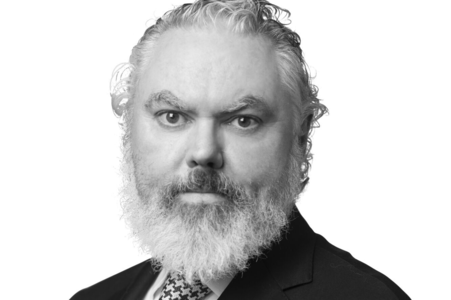
Brian Redican
CHIEF ECONOMIST
NEW SOUTH WALES TREASURY CORPORATION
NEW SOUTH WALES TREASURY CORPORATION
What makes an economist an economist? TCorp chief economist Brian Redican reflects on over three decades of navigating Australia's economic cycles. Riddhima Talwani writes.













I'm also an industry veteran....
There was nothing good about the old mutual model. All of the large mutual's (read AMP, National Mutual, CML, Citi Mutual) were self-serving organisations dead from the neck up. In theory they were accountable to policy holders but since it was impossible for policy holders to exercise that control those organisations were controlled by the management (for the benefit of the management and the tied agency force). The customer came a distant last.
AMP's clear 'fail' as a public company is the outworking of the its inability to adapt to a 'client first' business model.