


Better use of client information essential to adviser successBY LAURA MILLAN | THURSDAY, 31 JUL 2014 12:30PMFinancial advisers have more information about their clients than almost any other industry and they should be using it to improve their service, netwealth executive director Matt Heine said. Related News |



Editor's Choice
ASIC pushes to bolster competitiveness
|The regulator has hosted a roundtable with financial services leaders to encourage competitiveness, as it fears Australia is falling behind its global peers.
Euroz Hartleys sells capital markets arm to Canada's BMO
|Euroz Hartleys has sold its capital markets business to Canada's BMO Financial Group (BMO) for $145 million in an all-cash deal.
ETF adoption hits 'meaningful threshold' among SWFs
|Nearly 40% of sovereign wealth funds have an allocation to ETFs, a new report from Invesco shows, underscoring their expanded roles among institutional investors as their rate of adoption hits a "meaningful threshold".
Super system to hit $12.4tn by 2045
|Australia's superannuation system is forecast to triple in size over the next two decades reaching $12.4 trillion by 2045, as sustainable retirement outcomes become the sector's defining challenge.

Products



Expert Feed


When geopolitics becomes a portfolio risk
Geopolitics is back - again - and Australian investors can no longer treat it as distant background noise.

Does association membership still matter?
With all the changes the advice sector has experienced in recent years, such as regulatory reform and increased education and professional standards ...


Digital assets and where they stand in 2026
So far in 2026 digital assets have captured the headlines largely for the wrong reasons, but that doesn't tell the full story.

Rethinking default design in a changing market environment
The evolution underway in the US DC system highlights the value of periodically reassessing default design assumptions.
Featured Profile
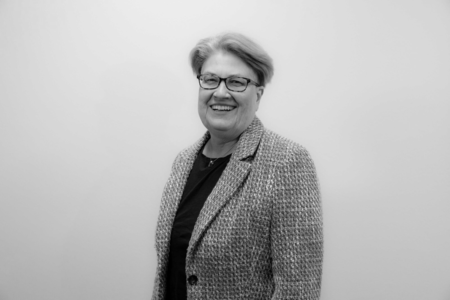
Judith Fiander
CHIEF EXECUTIVE OFFICER
AUSTRALIAN PHILANTHROPIC SERVICES
AUSTRALIAN PHILANTHROPIC SERVICES
When Judith Fiander first walked in the doors of Australian Philanthropic Services her intention was to volunteer for a few months. Fast forward 14 years and she is the chief executive. Eliza Bavin writes.














This is completely absurd, the Corporations Act has been there for a long time and clearly states the obligations a financial adviser has to their clients and the procedures when recommending or switching products. Unauthorized transactions, switching into high risk products, misleading deceptive conduct and other fraudulent criminal activities can only happen when the procedures of the Corporations Act is not adhered to.
So the question remains, how do immoral and illegal conduct and known by the adviser at the time as dishonest conduct in relation to ordinary people occur?
Are we not missing the point here? People didn't lose money because the adviser didn't know their clients well enough......they knew very well that their clients were naive and trusting and used that to their financial advantage. The Corporations Act is already there, if the rules and laws were adhered to perhaps the financial damage to clients would have been substantially less. So who oversees these laws are being adhered to, and who enforces the Corporations Act and the laws?