

|
Editor's Choice
Start-ups, small businesses win CGT reform carveouts
Treasury has unveiled a package of capital gains tax (CGT) discount carveouts targeting small businesses, and start-ups and their investors following backlash since the reforms were announced in the Budget on May 12. Testamentary trusts will also be given a reprieve from the new tax regime.
Aware Super sells majority stake in water portfolio
Aware Super has sold a majority portion of its Australian water portfolio from the southern Murray-Darling Basin.
ASIC slaps adviser with 10-year ban, strips AFSL
ASIC has banned Brett Newbound of Victoria, a financial adviser and the sole director of Freedom Wealth Services, which has subsequently lost its AFSL.
ATO reveals highest paid jobs, postcodes
Victoria is home to Australia's highest earning postcode for the first time, according to newly released Australian Taxation Office (ATO) data, as taxable incomes, capital gains and superannuation balances continue to climb.

Further Reading
Products



Expert Feed

When geopolitics becomes a portfolio risk
Geopolitics is back - again - and Australian investors can no longer treat it as distant background noise.
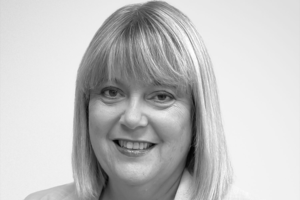
Does association membership still matter?
With all the changes the advice sector has experienced in recent years, such as regulatory reform and increased education and professional standards ...


Digital assets and where they stand in 2026
So far in 2026 digital assets have captured the headlines largely for the wrong reasons, but that doesn't tell the full story.

Rethinking default design in a changing market environment
The evolution underway in the US DC system highlights the value of periodically reassessing default design assumptions.
Featured Profile
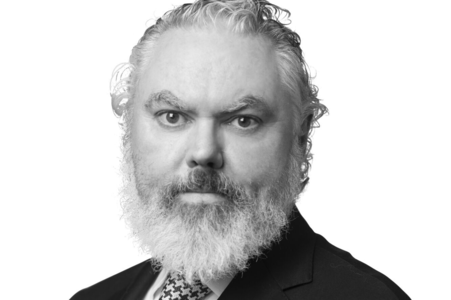
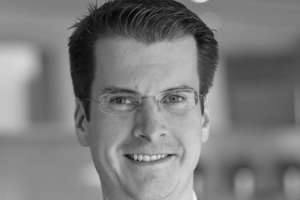
Brian Redican
CHIEF ECONOMIST
NEW SOUTH WALES TREASURY CORPORATION
NEW SOUTH WALES TREASURY CORPORATION
What makes an economist an economist? TCorp chief economist Brian Redican reflects on over three decades of navigating Australia's economic cycles. Riddhima Talwani writes.