

|
Editor's Choice
Industry reacts to Mulino's sweeping reforms
From the advice sector to super funds, reactions to the sweeping reforms announced by the minister for financial services have been broad.
TAL names chief customer and health officer
TAL has named a new chief customer and health officer, choosing to promote from within.
HESTA appoints new heads of risk and finance
The $105 billion super fund has named a new head of risk and new head of finance, who will also serve as deputy chief financial officer.
MA Financial AUM surges 44% in 1H26
MA Financial Group posted a positive half year to 30 June 2026, with assets under management (AUM) increasing by 44% to $15.5 billion, attributed to significant activity levels in core real estate.

Further Reading
Products



Expert Feed


When geopolitics becomes a portfolio risk
Geopolitics is back - again - and Australian investors can no longer treat it as distant background noise.

Does association membership still matter?
With all the changes the advice sector has experienced in recent years, such as regulatory reform and increased education and professional standards ...


Digital assets and where they stand in 2026
So far in 2026 digital assets have captured the headlines largely for the wrong reasons, but that doesn't tell the full story.

Rethinking default design in a changing market environment
The evolution underway in the US DC system highlights the value of periodically reassessing default design assumptions.
Featured Profile
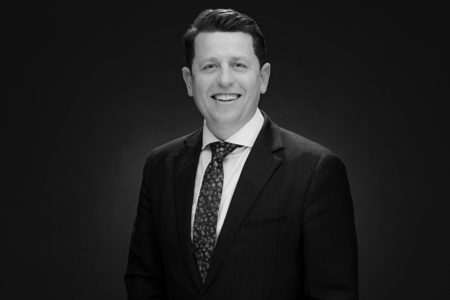
Andrew Gregory
CHIEF ADVICE OFFICER
UNISUPER
UNISUPER
After 25 years, Andrew Gregory remains motivated by the impact financial advice can have on Australians' lives. As UniSuper's chief advice officer, he is not slowing down on any of his current ambitions. Matthew Wai writes.