

|
Editor's Choice
Australian dividend distributions rebound in Q3
Australia saw a significant rebound in dividend distributions in the quarter to September 30, with the recovery attributable to BHP and the broader mining sector.
Aequitas hires from Vanguard again
Aequitas Investment Partners has named a head of asset consulting, joining from Vanguard Australia.
RBA delivers another hike in split decision
The Reserve Bank of Australia delivered its fifth interest rate hike this year, but the monetary board was split in its decision.
Sequoia profits tank as advisers flee
Sequoia's Q1 revenue dropped close to 60% while also recording a profit loss. Despite this former chief executive Garry Crole took home more than $400k.

Further Reading
Products



Expert Feed


When geopolitics becomes a portfolio risk
Geopolitics is back - again - and Australian investors can no longer treat it as distant background noise.
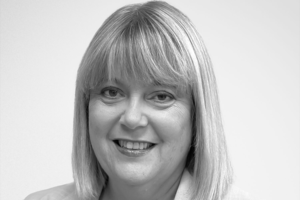
Does association membership still matter?
With all the changes the advice sector has experienced in recent years, such as regulatory reform and increased education and professional standards ...


Digital assets and where they stand in 2026
So far in 2026 digital assets have captured the headlines largely for the wrong reasons, but that doesn't tell the full story.

Rethinking default design in a changing market environment
The evolution underway in the US DC system highlights the value of periodically reassessing default design assumptions.
Featured Profile
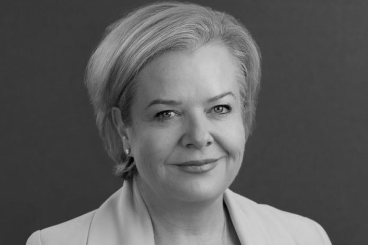
Jacqueline Fernley
CHIEF EXECUTIVE OFFICER
ARC POINT OCIO PTY LTD
ARC POINT OCIO PTY LTD
Jacqueline Fernley is a self-confessed nerd, a market animal and as of this year, her own boss. Riddhima Talwani writes.