


Trusts, foundations deploy $100m in catalytic capital: ReportBY KARREN VERGARA | MONDAY, 24 AUG 2026 12:30PMA new report reveals Australian trusts and foundations have deployed $100 million into higher-risk, impact-focused investments over the past three years, signalling promising demand for catalytic capital despite the market remaining in its early stages. Related News |



Editor's Choice
The 'blind spot' costing advisers nearly $10bn: Research
|Research from Elemnta indicates financial advisers do not realise they are expending nearly twice as much effort on non-advised operations, highlighting a perception gap and challenges related to data collection and access, which cost 6000 practices about $9.36 billion in "destroyed enterprise value".
Canadian pension giant takes 20% stake in La Trobe
|Canadian public pension fund OMERS has taken a minority stake of nearly 20% in La Trobe Financial from Brookfield.
ASIC issues another stop order for private credit fund
|ASIC has issued an interim stop order on the Murdoch Clarke Mortgage Fund, issued by Murdoch Clarke Mortgage Management, prohibiting it from offering, issuing, selling or transferring interests in the fund.
Inheritors struggle to act on financial advice: Survey
|Australia's wealthy inheritors are making major financial decisions before they feel ready, with new research highlighting a gap between receiving professional advice and having the confidence to act on it.

Further Reading
Products



Expert Feed


When geopolitics becomes a portfolio risk
Geopolitics is back - again - and Australian investors can no longer treat it as distant background noise.
Does association membership still matter?
With all the changes the advice sector has experienced in recent years, such as regulatory reform and increased education and professional standards ...


Digital assets and where they stand in 2026
So far in 2026 digital assets have captured the headlines largely for the wrong reasons, but that doesn't tell the full story.
Rethinking default design in a changing market environment
The evolution underway in the US DC system highlights the value of periodically reassessing default design assumptions.
Featured Profile
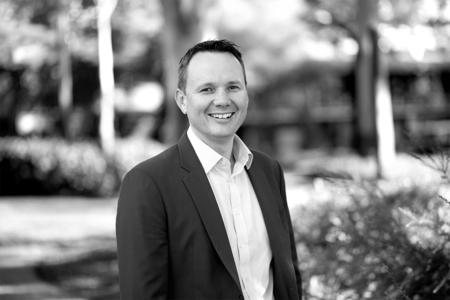
David Sharpe
CHAIRMAN
FINANCIAL ADVICE ASSOCIATION AUSTRALIA
FINANCIAL ADVICE ASSOCIATION AUSTRALIA
A family man, business owner, cricket fanatic and financial adviser, David Sharpe has many facets. One of his biggest legacies, as he steps down as chair of the Financial Advice Association Australia, is leaving the profession stronger than he found it.






The Financial Standard podcast Tune in each week as we discuss the latest developments in Australia's wealth management industry. |  |