




Editor's Choice
Corporate, governance issues fuel whistleblower tipoffs: ASIC
|The corporate regulator received nearly 2000 tip offs from whistleblowers in the last financial year, a whopping 183% jump annually, the majority of which relate to corporate and governance issues.
Platinum awards mandate, changes fund name
|Platinum Asset Management has awarded a mandate to a US-based investment manager to oversee investment capabilities in a 20-year-old fund, simultaneously altering the name to reflect the update.
Workplace mental ill-health can cost Australia $27bn: Report
|Workplace mental health issues are directly costing the Australian economy $12 billion per annum in lost gross domestic product (GDP), with the cost set to rise by more than 125% over the next 15 years in excess of $27 billion a year.
ASX turns up heat on Clime Capital following KPMG scrutiny
|The ASX has also raised concerns over Clime Capital's valuation of its unlisted assets portfolio and the qualified opinion that was eventually handed down by its auditor KPMG.

Further Reading
Products



Expert Feed


When geopolitics becomes a portfolio risk
Geopolitics is back - again - and Australian investors can no longer treat it as distant background noise.
Does association membership still matter?
With all the changes the advice sector has experienced in recent years, such as regulatory reform and increased education and professional standards ...


Digital assets and where they stand in 2026
So far in 2026 digital assets have captured the headlines largely for the wrong reasons, but that doesn't tell the full story.

Rethinking default design in a changing market environment
The evolution underway in the US DC system highlights the value of periodically reassessing default design assumptions.
Featured Profile
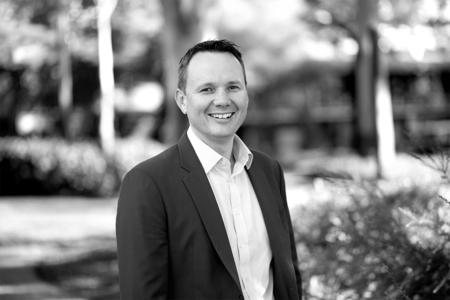
David Sharpe
CHAIRMAN
FINANCIAL ADVICE ASSOCIATION AUSTRALIA
FINANCIAL ADVICE ASSOCIATION AUSTRALIA
A family man, business owner, cricket fanatic and financial adviser, David Sharpe has many facets. One of his biggest legacies, as he steps down as chair of the Financial Advice Association Australia, is leaving the profession stronger than he found it.





The Financial Standard podcast Tune in each week as we discuss the latest developments in Australia's wealth management industry. |  |








Really !!! I wonder what the report will look like in 2018. Maybe take the same road the UK did ??
Mr Trowbridge was reported to have filtered-out all dissenting voices from his Committee in his report. The whole thing has been an institutional orchestrated deception from the start. Even the AFA walked away from Trowbridge. Trowbridge is just a mouthpiece for the large institutions who are immune from these changes because they have their advisers on a salary, and also happen to be the primary organisations responsible for conflicted advice. We understand that high upfronts are not sustainable, but Hybrid 80/20 should have been where this landed, not 60. There is no doubt that these changes are designed to squeeze-out the independent advisers in favour of the big end of town such as banks who have done nothing but sully the industry with their high profile advice failures, Senate enquiries and large compensation payouts to their victims. Insurance companies can now raise their renewal premiums beyond client affordability (as some have done recently) and when the client cancels or wants a better option, it will be the Adviser who wears the clawback for three years. Reverse selection (clients cancelling in the wake of large price hikes) accounts for far higher lapses than churning by unscrupulous advisers ever has. Now the insurance companies are free to gouge the client. Australia suffers a chronic underinsurance problem which is a massive liability on the public social security system. If you want more people insured with non-conflicted insurance advice, then you should be encouraging your third party distribution, not sitting in your arm chairs making decisions to bolster your own organisations, reducing choice and killing off the competition.