


Hume slams superannuation circusBY KARREN VERGARA | MONDAY, 15 FEB 2021 12:30PMSenator Jane Hume has slammed the spectacle within the superannuation sector and the conflicting views from executives and industry bodies, which she says is the most "frustrating" part of her job. Related News |



Editor's Choice
Netwealth reports record $36bn FUM in Q1
Netwealth observed record growth over the first quarter of the financial year, with both funds under administration and funds under management increasing by $3.4 billion and $2.4 billion, respectively.
First Sentier lists active ETF
First Sentier has made the First Sentier Global Listed Infrastructure Fund (Hedged) Active ETF available to Australian advisers and investors.
Janus Henderson launches global equities active ETF
Janus Henderson Investors has launched a global equities strategy designed to combine a broad market exposure with research-driven stock selection.
SILC partners with Totality to give clients brokage access
Wholesale trustee The SILC Group (SILC) has partnered with brokerage firm Totality to provide its equity fund manager clients with access to institutional-grade prime brokerage services.

Further Reading
Products



Expert Feed


When geopolitics becomes a portfolio risk
Geopolitics is back - again - and Australian investors can no longer treat it as distant background noise.
Does association membership still matter?
With all the changes the advice sector has experienced in recent years, such as regulatory reform and increased education and professional standards ...


Digital assets and where they stand in 2026
So far in 2026 digital assets have captured the headlines largely for the wrong reasons, but that doesn't tell the full story.
Rethinking default design in a changing market environment
The evolution underway in the US DC system highlights the value of periodically reassessing default design assumptions.
Featured Profile
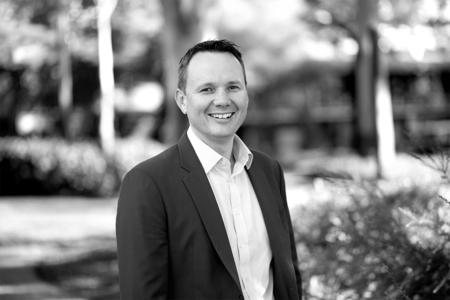
David Sharpe
CHAIRMAN
FINANCIAL ADVICE ASSOCIATION AUSTRALIA
FINANCIAL ADVICE ASSOCIATION AUSTRALIA
A family man, business owner, cricket fanatic and financial adviser, David Sharpe has many facets. One of his biggest legacies, as he steps down as chair of the Financial Advice Association Australia, is leaving the profession stronger than he found it.





The Financial Standard podcast Tune in each week as we discuss the latest developments in Australia's wealth management industry. |  |








I sympathise with Senator Hume's frustration.
We have evolved processes (such as superannuation) designed to respond to the ageing of the community (more particularly males) but without any significant harmonisation between the various 'silos' of federal and state departments.
Treasury has responsibility for tax, super and financial advice while age pensions, disability, housing and families sit within the Social Security monolith. The Human Rights Commission - an independent entity - reviews elder discrimination in its six most recent reports. The Health Department oversees community wellness, medicines, and medical research. A string of federal and state bodies deal with end of life issues, covering medical, legal and ethical concerns. Finally, Aged Care has been subsumed into Health, partly a response to the forthcoming Royal Commission report.
The ageing of the community is bringing about the biggest social change we are likely to see in a generation, yet for the most part the vital dialogues seem to remain within the silos. We are also singularly ineffective in explaining to older people how their future may evolve individually and what each can do to make the best of the rest of their life.
It's long overdue that strategies in this space should be overseen and co-ordinated by a single set of principles which outline agreed responses to increasing longevity - housed in an 'untouchable' entity reporting to the Cabinet of the day, perhaps called the Longevity Commission. Its establishment should be a bipartisan affair.
The cost would be relatively insignificant. It would ensure that the huge bonus available from informed and productive ageing accrues more visibly within the community and underpins proper support for those less fortunate. Perhaps the Senator could lead the charge.