


Future Fund looks beyond AI winners to hedge riskBY RIDDHIMA TALWANI | MONDAY, 10 AUG 2026 11:48AMThe Future Fund is hedging its artificial intelligence (AI) investment risks by spreading exposure across the value chain and with investments across asset classes, including infrastructure, venture capital, private equity and listed equities. Related News |



Editor's Choice
ASIC stalls Sequoia bid to ditch cross guarantee deed
ASIC is again putting up roadblocks to Sequoia Financial Group's attempt to revoke the deed of cross guarantee with InterPrac Financial Planning, asking more questions and requesting more information before the group rids itself of all liabilities arising from the Shield and First Guardian disaster.
MLC Super creates two new general manager roles
MLC Super has created two new roles of general manager of portfolio delivery and general manager of employer superannuation.
Robeco pitches Enhanced Indexing strategy to instos
Robeco has launched a new systematic strategy for institutional investors, designed to manage the Australian index's overconcentration in banks and miners.
Mercer reshapes fund manager lineup for fixed income strategy
Mercer Australia has halved the number of fixed income fund managers in its sovereign bond fund strategy, retaining just Challenger Life and Macquarie Investment Management.

Further Reading
Products



Expert Feed


When geopolitics becomes a portfolio risk
Geopolitics is back - again - and Australian investors can no longer treat it as distant background noise.

Does association membership still matter?
With all the changes the advice sector has experienced in recent years, such as regulatory reform and increased education and professional standards ...


Digital assets and where they stand in 2026
So far in 2026 digital assets have captured the headlines largely for the wrong reasons, but that doesn't tell the full story.

Rethinking default design in a changing market environment
The evolution underway in the US DC system highlights the value of periodically reassessing default design assumptions.
Featured Profile
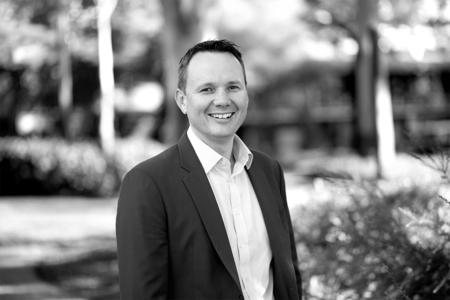
David Sharpe
CHAIRMAN
FINANCIAL ADVICE ASSOCIATION AUSTRALIA
FINANCIAL ADVICE ASSOCIATION AUSTRALIA
A family man, business owner, cricket fanatic and financial adviser, David Sharpe has many facets. One of his biggest legacies, as he steps down as chair of the Financial Advice Association Australia, is leaving the profession stronger than he found it.






The Financial Standard podcast Tune in each week as we discuss the latest developments in Australia's wealth management industry. |  |