


Flight to SMSFs reshape super mindsetBY LAURA MILLAN | FRIDAY, 22 MAR 2013 12:35PMThe exodus of individuals away from large superannuation funds and into self-managed super funds (SMSFs) has prompted some soul-searching among the major players. |



Editor's Choice
ASIC to take 'balanced' stance on super advertising ban rules
|The corporate regulator said it promises to take a "balanced" approach to enforcing new rules around any advertising of superannuation funds during the employee onboarding process, which take effect in a few weeks.
BlackRock expands active ETF range
|BlackRock is set to expand its Australian ETF range with the launch of the iShares World Equity High Income Complex ETF (ASX: WYNC), an actively managed strategy targeting investors seeking both income and broad global equity exposure.
T. Rowe Price names head of intermediary for Australia
|T. Rowe Price has appointed a head of intermediary for Australia, following a three-month absence in the role after Jonathan Ross' departure in March.
FEATURE | Aged care: The longevity dividend
It's not just Australia that is dealing with an aging population, in fact the World Health Organisation estimates by 2030, one in six people will be aged 60 years or over.

Products



Expert Feed

When geopolitics becomes a portfolio risk
Geopolitics is back - again - and Australian investors can no longer treat it as distant background noise.

Does association membership still matter?
With all the changes the advice sector has experienced in recent years, such as regulatory reform and increased education and professional standards ...


Digital assets and where they stand in 2026
So far in 2026 digital assets have captured the headlines largely for the wrong reasons, but that doesn't tell the full story.
Rethinking default design in a changing market environment
The evolution underway in the US DC system highlights the value of periodically reassessing default design assumptions.
Featured Profile
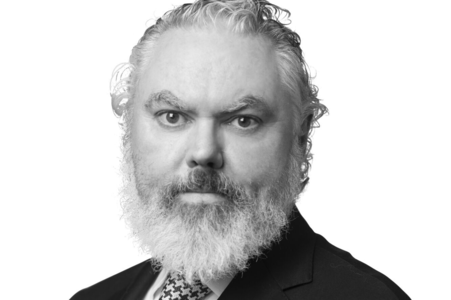
Brian Redican
CHIEF ECONOMIST
NEW SOUTH WALES TREASURY CORPORATION
NEW SOUTH WALES TREASURY CORPORATION
What makes an economist an economist? TCorp chief economist Brian Redican reflects on over three decades of navigating Australia's economic cycles. Riddhima Talwani writes.














With the growing interest in property by SMSF trustees industry funds should consider including property in some form. Traditionally the problem investing in property is the lumpiness of such a large single asset. Fractional investing via a managed fund will solve this problem and allow trustees to invest up to their determined asset allocation. It will also enable them to diversify across a number of properties, property types and geographical locations. No borrowing, no bare trusts, no complex legal syndicate structures.
Modern thinking by the major players both retail and industry. However, the point seems to be continually missed. Offering an experience 'almost' as good as the flexibility of a SMSF, with 'maybe' 60% of the assets on offer is not what the genral public want. Control, flexibility and feel of a SMSF cannot be repricated. It may slow the exodous however the example above misses the mark and will not succeed. They will only succeed in engaging those who would have not left. Before posting this we called smsf industry peers to seek their opnion and it was inline with ours.