


Advisers at risk over asset-based feesBY BEN COLLINS | THURSDAY, 10 JAN 2013 2:55PMAdvisers might need to change the way that they charge asset-based fees, which can create conflicts of interest, said finance consulting group The Fold. |



Editor's Choice
Iress bets on AI as business transformation moves forward
|Iress is shifting its focus from business simplification to executing an ambitious artificial intelligence (AI)-driven product strategy that will help financial advisers slash work processes by nearly 40%.
Macquarie AM-led consortium finalises Qube takeover
|Macquarie Asset Management (MAM) and a consortium of global investors, including UniSuper and the family office of a Spanish billionaire, have completed their $11.7 billion acquisition of logistics and infrastructure giant Qube Holdings.
Alexis George takes on board appointment
|Former AMP chief executive Alexis George has taken on a new board position, five months after announcing her intention to retire.
CFS launches pension bonus
|Colonial First State (CFS) has launched new retirement solutions offering eligible members a one-off payment when moving from accumulation into retirement.
Videos
Brought to you by ![]()

Further Reading
Products



Expert Feed


When geopolitics becomes a portfolio risk
Geopolitics is back - again - and Australian investors can no longer treat it as distant background noise.

Does association membership still matter?
With all the changes the advice sector has experienced in recent years, such as regulatory reform and increased education and professional standards ...


Digital assets and where they stand in 2026
So far in 2026 digital assets have captured the headlines largely for the wrong reasons, but that doesn't tell the full story.

Rethinking default design in a changing market environment
The evolution underway in the US DC system highlights the value of periodically reassessing default design assumptions.
Featured Profile
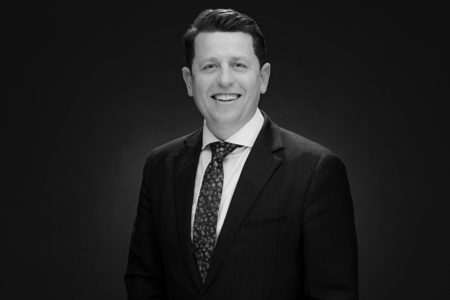
Andrew Gregory
CHIEF ADVICE OFFICER
UNISUPER
UNISUPER
After 25 years, Andrew Gregory remains motivated by the impact financial advice can have on Australians' lives. As UniSuper's chief advice officer, he is not slowing down on any of his current ambitions. Matthew Wai writes.





The Financial Standard podcast Tune in each week as we discuss the latest developments in Australia's wealth management industry. |  |







The only good news I got about my investements in the GFC was that my adviser's fees had come down along with the asset values - thank goodness. Now that's what I call in my best interests.
It never ceases to amaze me that some people cannot work out that a set dollar fee will always equate to a percentage of a portfolio, regardless of how you dress it up. Its simple mathematics. Sorry folks, some people need to go back to primary school.
If advisers should not charge as a % of assets then the rest of the funds management industry should not do so either. Our firm divides an ongoing fee between strategy advice (dollar based) and investment / AA advice (% based fee). Our implementation fees are project / time based. For investments, you have to have skin in the game to build a clients portfolio. On the business side, would you rather have your fees increasing over time at CPI, or linked to the markets? I know what is more profitable in the long term.