


Talaria warns S&P concentration erodes diversificationBY VINNY VUCAGO | FRIDAY, 24 JUL 2026 12:58PMMore than 90% of the world's investable assets now move in line with the S&P 500, prompting concerns that investors may be far less diversified than they believe, according to Talaria Asset Management. Related News |



Editor's Choice
Former Big Un chief escapes prison time for insider trading
The former chief executive of Big Un Richard Evans has learned his fate after the District Court of New South Wales handed down its verdict, with Evans escaping imprisonment.
Selfwealth expands into full-fledged wealth platform
Trading platform Selfwealth has launched three managed portfolios, expanding from online brokerage into a wealth platform.
TAL launches new campaign focused on mental health
TAL has launched a new campaign, working with youth media group The Daily Aus, and partners with the AFLW, aimed at promoting mental wellbeing.
SIAA replenishes board with appointments
The Stockbrokers and Investment Advisers Association has made two board appointments to fill vacated positions from recent departures.
Further Reading
Products



Expert Feed


When geopolitics becomes a portfolio risk
Geopolitics is back - again - and Australian investors can no longer treat it as distant background noise.
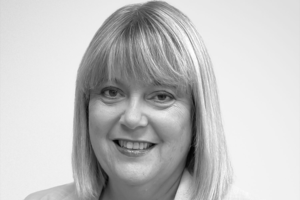
Does association membership still matter?
With all the changes the advice sector has experienced in recent years, such as regulatory reform and increased education and professional standards ...


Digital assets and where they stand in 2026
So far in 2026 digital assets have captured the headlines largely for the wrong reasons, but that doesn't tell the full story.

Rethinking default design in a changing market environment
The evolution underway in the US DC system highlights the value of periodically reassessing default design assumptions.
Featured Profile
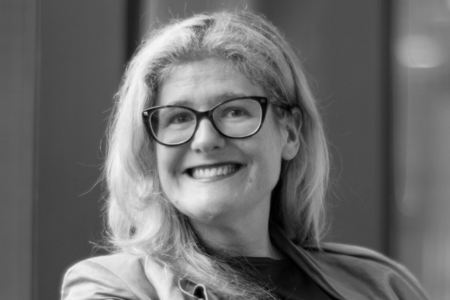
Rachel Alembakis
STEWARDSHIP MANAGER
UNITING ETHICAL INVESTORS LIMITED
UNITING ETHICAL INVESTORS LIMITED
As a highly respected journalist, Rachel Alembakis helped push sustainable investing on the agenda long before it was mainstream. Now, she's stepped into the arena to shape the industry from within. Karren Vergara writes.



The Financial Standard podcast Tune in each week as we discuss the latest developments in Australia's wealth management industry. |  |