


Super funds get serious about social mediaBY MARK STORY | WEDNESDAY, 6 FEB 2013 11:50AMWith social media becoming increasingly more powerful as a means of systemising client engagement, a clear strategy is needed for targeting members and managing risk, according to Buchan Consulting. |



Editor's Choice
Former UBS Asset Management executive pops up at RAM
|Real Asset Management has appointed a new head of distribution in Bryce Doherty, the former managing director of UBS Asset Management Australia.
Sports no longer a sponsorship opportunity for super funds
|ASFA head of research Ross Clare believes sports is becoming an important asset class for super funds, noting the dynamics in sports investment has transformed drastically over recent years, based on what he's observed at the ASFA Investment Summit 2026.
SS&C wins mandate from Aussie boutique fund manager
|Fundamental Investment Management, a Sydney-based boutique investment management firm, has mandated SS&C Technologies for its inaugural Fundamental Smaller Companies Fund.
Swyftx confirms executive line up
|Swyftx has confirmed its leaders, including its chief executive who served as the managing director at Lazard for nearly a decade previously.
Further Reading
Products



Expert Feed


When geopolitics becomes a portfolio risk
Geopolitics is back - again - and Australian investors can no longer treat it as distant background noise.

Does association membership still matter?
With all the changes the advice sector has experienced in recent years, such as regulatory reform and increased education and professional standards ...


Digital assets and where they stand in 2026
So far in 2026 digital assets have captured the headlines largely for the wrong reasons, but that doesn't tell the full story.

Rethinking default design in a changing market environment
The evolution underway in the US DC system highlights the value of periodically reassessing default design assumptions.
Featured Profile
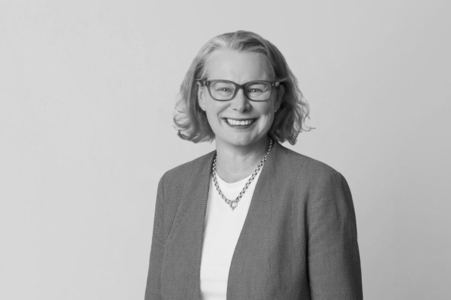
Liza McDonald
HEAD OF RESPONSIBLE INVESTMENT
AWARE SUPER
AWARE SUPER
Liza McDonald would have you believe her path from a legal secretary to the head of responsible investment at Aware Super was a matter of good fortune. Her career says otherwise. Riddhima Talwani writes.






The Financial Standard podcast Tune in each week as we discuss the latest developments in Australia's wealth management industry. |  |








I'm in no way against use of social media, it can be an incredibly powerful tool but there seems to be a rush by funds (and a push by media/experts for fund) to take up social media. And I don't believe that enough consideration has been given the the efficacy of using social media. Fund members who need the most amount of communicating to 'the most', are those in or approaching retirement. Has anyone stopped to look at the penetration rates of social media use in the cohort of 65+ year old?
Coupled to this, are those cohorts most aligned with social media use, very easy to engage with? It would be fair to hypothesis that HostPlus has one of the youngest member cohorts (a lot of members working hospitality while at uni etc), who would higher social media penetrations. Yet out of 1m odd members, they have just over 2,000 twitter followers.