


Super trustees need better vigilance: APRABY EMMA RAPAPORT | MONDAY, 27 MAR 2017 12:43PM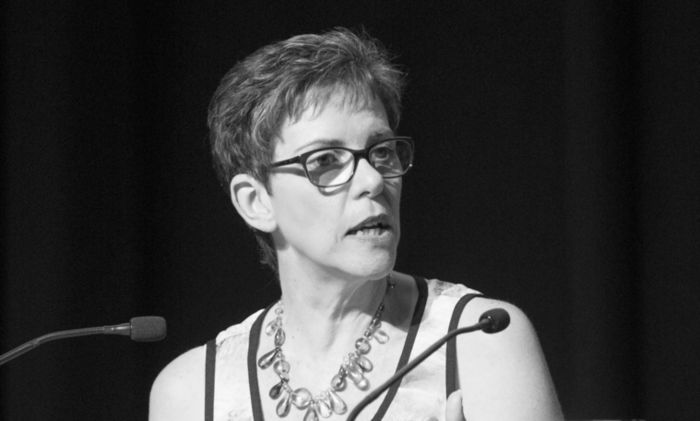 APRA's deputy chair Helen Rowell hit out at superannuation trustees who incur "inappropriate expenditures" saying that unnecessary costs negatively affect outcomes for members. Related News |



Editor's Choice
Cbus rolls out death benefit nomination changes
Cbus will roll out changes to death benefit nominations, which include scrapping nominations that expire in three years.
Guardians farewells head of asset allocation
The Guardians of NZ Super has named a new head of asset allocation to replace Charles Hyde, who is leaving to take up a role abroad.
IFS recovers record $250m in unpaid super
Industry Fund Services (IFS) has recovered a record $250 million in unpaid superannuation in the 2025-26 financial year, bringing its total recoveries to $2.5 billion since the service commenced.
Betashares launches diversified ETF suite
Betashares has expanded its core investment range with the launch of four diversified exchange traded funds.
Videos
Brought to you by ![]()

Further Reading
Products



Expert Feed


When geopolitics becomes a portfolio risk
Geopolitics is back - again - and Australian investors can no longer treat it as distant background noise.
Does association membership still matter?
With all the changes the advice sector has experienced in recent years, such as regulatory reform and increased education and professional standards ...


Digital assets and where they stand in 2026
So far in 2026 digital assets have captured the headlines largely for the wrong reasons, but that doesn't tell the full story.

Rethinking default design in a changing market environment
The evolution underway in the US DC system highlights the value of periodically reassessing default design assumptions.
Featured Profile

Andrew Gregory
CHIEF ADVICE OFFICER
UNISUPER
UNISUPER
After 25 years, Andrew Gregory remains motivated by the impact financial advice can have on Australians' lives. As UniSuper's chief advice officer, he is not slowing down on any of his current ambitions. Matthew Wai writes.






The Financial Standard podcast Tune in each week as we discuss the latest developments in Australia's wealth management industry. |  |








The issue I see is APRA's interpretation of what makes a person independent because each person will have a past history which will influence their decision-making processes. We all carry some baggage from our past whether we come from the employer or employee side, so can anyone be truly independent?
Surely it should be about what skills and abilities a person has rather than are they are 'independent'. By adding independent trustees to the board aren't we just adding to the cost, yet APRA also say that's a major issue? So which is it?
The decision to merge or close a fund should sit with the members and in fact it does. If a member is unhappy they can move to another Fund or is APRA saying members do not understand?
If that's the case why not spend money educating Australians of their rights instead of lecturing funds that they should make the decision without even consulting their members?