

|
Editor's Choice
CALI seeks life insurers exemption from lead generation ban
The Council of Australian Life Insurers said it will argue a strong case for exemption for life insurance lead generation to not be swept up into a blanket ban designed to address misconduct in other parts of the financial system.
Dexus executives step down over leaked airport data case
Dexus said key executives have been stood down while the board and management consider the NSW Supreme Court judgement for it to sell its stake in Melbourne and Launceston airports.
HESTA extends decades-long partnership with J.P. Morgan
J.P. Morgan will continue to deliver custodial and fund services for the $102 billion super fund for a further five years, extending their partnership to more than 30 years.
Treasury releases adverse genetic test results ban draft regulation
Treasury is seeking feedback on draft regulations that ban the use of adverse genetic test results in life insurance, which come into effect on October 8.

Further Reading
Products



Expert Feed


When geopolitics becomes a portfolio risk
Geopolitics is back - again - and Australian investors can no longer treat it as distant background noise.

Does association membership still matter?
With all the changes the advice sector has experienced in recent years, such as regulatory reform and increased education and professional standards ...


Digital assets and where they stand in 2026
So far in 2026 digital assets have captured the headlines largely for the wrong reasons, but that doesn't tell the full story.

Rethinking default design in a changing market environment
The evolution underway in the US DC system highlights the value of periodically reassessing default design assumptions.
Featured Profile
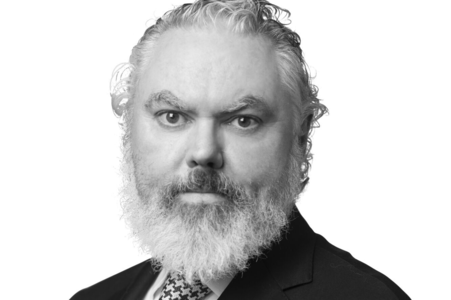
Brian Redican
CHIEF ECONOMIST
NEW SOUTH WALES TREASURY CORPORATION
NEW SOUTH WALES TREASURY CORPORATION
What makes an economist an economist? TCorp chief economist Brian Redican reflects on over three decades of navigating Australia's economic cycles. Riddhima Talwani writes.